The Castle
1997
No user ratings available yet
Representation score: 6.2 out of 10
Representation Score
Minimal
2009
RDirector
Michael Haneke
Runtime
144 minutes
Average Rating
No ratings yetNew Showbiz Analysis
The film serves as a critical look at a community, focusing on historical accuracy rather than demographic diversity. While it doesn't represent LGBTQ+ or diverse ethnic groups, it effectively critiques the systemic power of Western institutions. By portraying the church and school as oppressive forces, the film questions the stability of traditional village structures, suggesting that strict discipline can lead to extremism rather than virtue.
Category Breakdown
There are no LGBTQ+ characters or stories about non-straight identities in this rural setting.
Men hold most of the power in the village, while women are confined to household duties. The film highlights the negative impact of this strict gender hierarchy.
The cast is made up of people from the same ethnic background, reflecting the specific conditions of a pre-WWI German village. There is no diversity in ethnicity.
The film criticizes religious and family institutions as sources of strict moral rules rather than stability.
The film does not include characters with visible or invisible disabilities. There are no disability-related clichés central to the plot.
Present on Screen
Limited or Absent
Official Synopsis
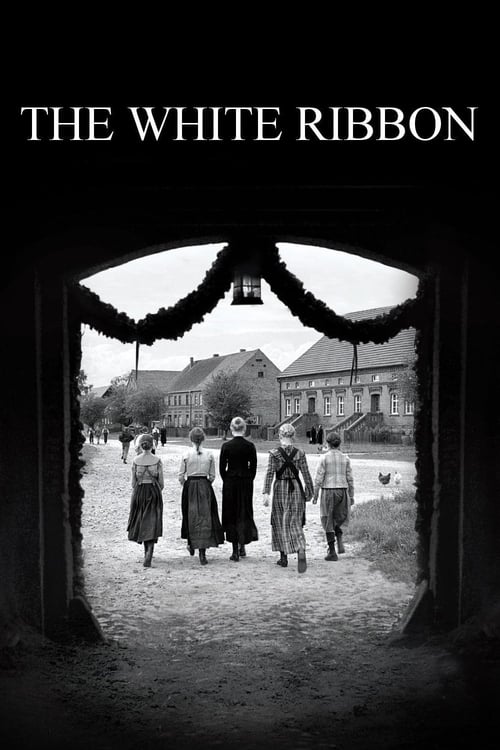
An aged tailor recalls his life as the schoolteacher of a small village in Northern Germany that was struck by a series of strange events in the year leading up to WWI.
1997
1999
2019
2005
2022

2004
2013
2015
No reviews yet. Be the first to share your thoughts on this movie!
Use the rating form above to leave a star rating and optional review.