Through Black Spruce
2019
No user ratings available yet
Representation score: 3.1 out of 10
Representation Score
Limited
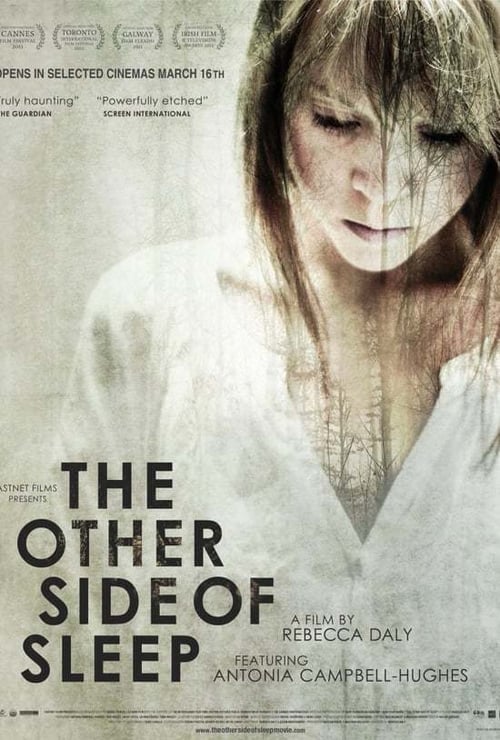
2011
Director
Rebecca Daly
Runtime
88 minutes
Average Rating
No ratings yetNew Showbiz Analysis
The film functions as an intimate, localized character study rather than a broad social commentary. Its primary strength lies in its female-centric perspective, centering a woman's labor and ability to act within a working-class environment. However, the film's commitment to a specific, homogeneous rural setting limits its multi-layered breadth. The narrative prioritizes individual psychological realism over the exploration of diverse identities or systemic social critiques. Ultimately, while the film succeeds in providing a meaningful female lead, it remains constrained by its narrow cultural and geographic scope.
Category Breakdown
The film focuses on a central mystery and does not provide clear evidence of queer identity or non-straight relationships among the characters.
Arlene, a female factory worker, serves as the central protagonist. Her role and internal experiences challenge traditional mystery structures that often sideline women.
The story is set in a rural Irish community, implying a homogeneous demographic. The film lacks evidence of multi-ethnic or diverse casting within this specific geographic setting.
The narrative explores the isolation of rural life and the socioeconomic pressures of factory work. It examines traditional communal structures without explicit religious or anti-capitalist messaging.
There is no indication that neurodivergence, physical disabilities, or mental health conditions serve as central narrative devices or character arcs.
Present on Screen
Limited or Absent
Official Synopsis
Loosely inspired by the director’s own memory of a girl’s disappearance from her village, the film follows Arlene, a young factory worker living alone in a rural Irish community.
2019
2001

2011

2004
2004

2018

2014

2009
No reviews yet. Be the first to share your thoughts on this movie!
Use the rating form above to leave a star rating and optional review.