
No digas nada
2007
No user ratings available yet
Diversity score: 4.9 out of 10
2020
Director
Iván Noel
Runtime
115 minutes
Average Rating
No ratings yetSynopsis
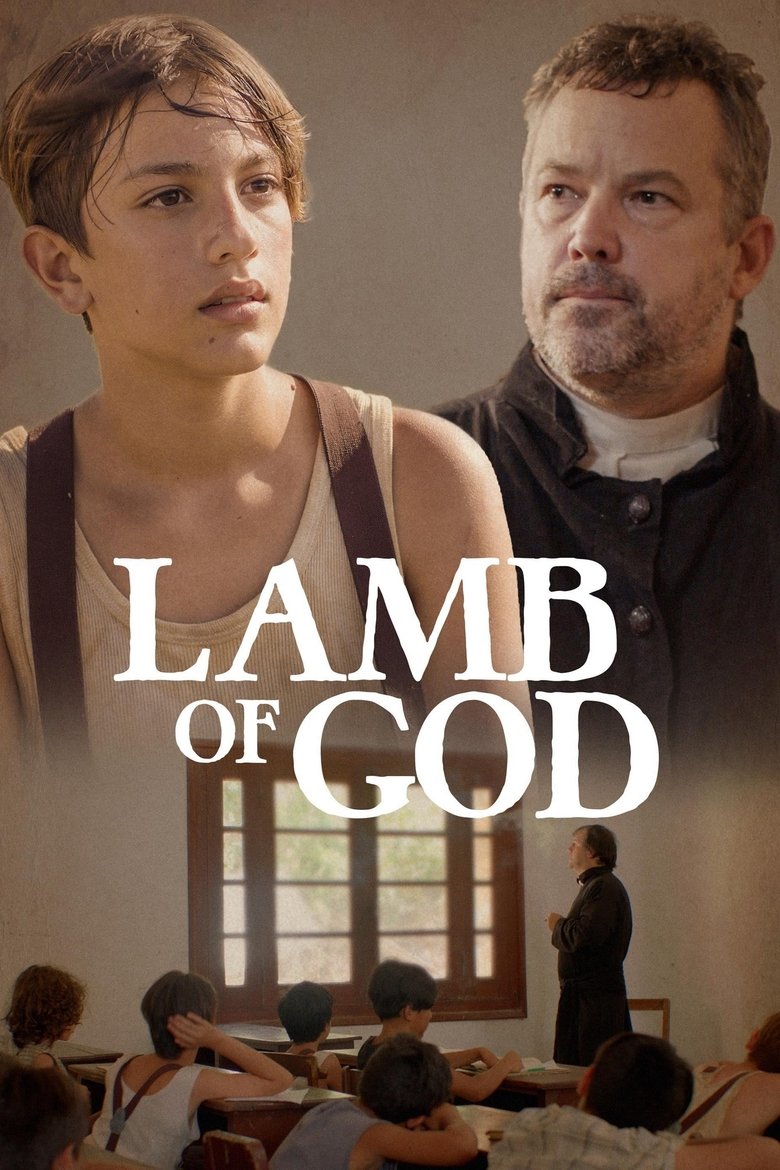
North Argentina, 1961. Only a few priests and interns remain in a secluded run-down boys' religious boarding school. Suddenly and unannounced, Father Martin arrives, whose intentions are not as clear as he claims.
Overall Score
Fair
Category Breakdown
LGBTQ+ Representation
The film focuses on paternal bonds and masculine grief. There is no explicit evidence of non-heteronormative identities or same-sex intimacy within the narrative.
Gender Representation
The story centers on the male experience within a religious boarding school. It lacks prominent female agency, focusing instead on patriarchal structures and masculine archetypes.
Racial & Ethnic Diversity
Set in 1961 North Argentina, the film moves away from Anglo-centric storytelling. It utilizes a localized, rural Latin American context to ground its narrative.
Religious & Cultural Diversity
The film uses surrealism to critique religious institutions. By introducing ambiguous characters, it disrupts the depiction of religious authority as inherently stable or benevolent.
Disability Representation
There is no documented evidence regarding the portrayal of physical or neurodivergent disabilities in the film.
Strengths
Areas for Improvement
AI Analysis
Lamb of God is a sophisticated piece of postmodern cinema that uses surrealism to challenge conventional narrative expectations. Its primary strength lies in its cultural critique, using an allegorical framework to question the stability of religious authority and traditional institutions. However, the film remains largely confined to a male-dominated landscape. The narrative architecture prioritizes masculine archetypes and patriarchal structures, offering little room for gender diversity or non-heteronormative representation. While the setting provides a welcome departure from homogeneous, Anglo-centric stories, the film does not overtly prioritize visible demographic diversity. It functions more as a study of moral relativism and systemic ambiguity than a vehicle for identity politics.
2007

1987

2009

2023

1977

1999
2009
2011

2005

2022
2014

2011
No reviews yet. Be the first to share your thoughts on this movie!
Use the rating form above to leave a star rating and optional review.