Mister Perrichon's Trip
1990
No user ratings available yet
Representation score: 1.8 out of 10
Representation Score
Limited
1981
Director
Yan Frid
Runtime
147 minutes
Average Rating
No ratings yetNew Showbiz Analysis
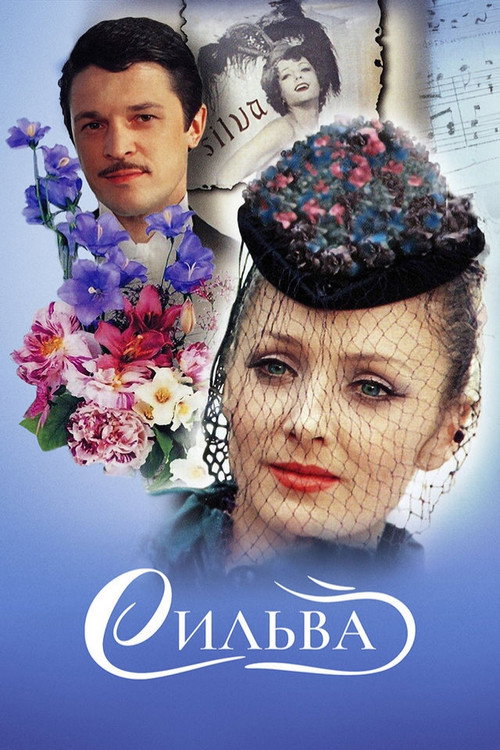
Silva (1981) is a conventional musical comedy that adheres to the traditional storytelling structures of its time. While the protagonist stands out as a professionally successful and independent woman, the film's core remains anchored to classic romantic clichés. The narrative is centered on Eurocentric social hierarchies and aristocratic courtship, limiting the scope of social commentary. Ultimately, the film provides a period-style entertainment experience that prioritizes romantic pursuit over diverse or subversive representation.
Category Breakdown
The film focuses on a traditional romantic relationship between a female lead and three male admirers. It does not include any characters with non-binary gender identities or stories that challenge the assumption that everyone is straight or cisgender.
Silva Varescu is portrayed as a self-reliant and successful cabaret performer, offering a positive portrayal of a woman's independence. However, the plot is primarily driven by the romantic and legal actions of male characters.
The setting and characters suggest a predominantly white European cast. The narrative focuses on a homogeneous Western European society without showing broader racial diversity.
The story operates within traditional Western social structures, emphasizing aristocracy and arranged marriages. It follows romantic comedy conventions without critiquing these established social institutions.
There are no visible or hidden disabilities mentioned within the characters' stories or the main plot.
Present on Screen
Limited or Absent
Official Synopsis
Silva Varescu, a self-sufficient and professionally successful cabaret performer from Budapest, is about to embark on a tour of America. Three of her aristocratic admirers, named Edwin, Feri and Boni, prefer her to stay. Edwin, unaware that his parents have already arranged a marriage for him back home in Vienna, orders a notary to prepare a promissory note of his expected marriage to Silva within ten weeks.
1990
1987
1958
1965
1982
1979
2017
1936
No reviews yet. Be the first to share your thoughts on this movie!
Use the rating form above to leave a star rating and optional review.