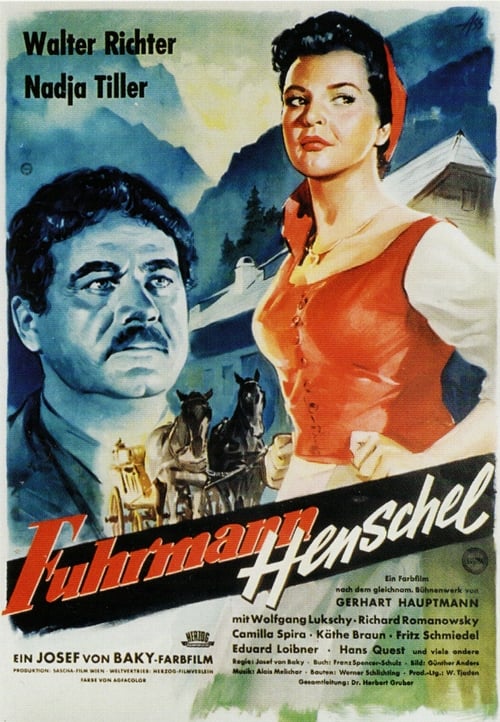
Fuhrmann Henschel
1956
No user ratings available yet
Representation score: 0.4 out of 10
Representation Score
Limited
1953
Director
Fritz Eichler
Average Rating
No ratings yetNew Showbiz Analysis
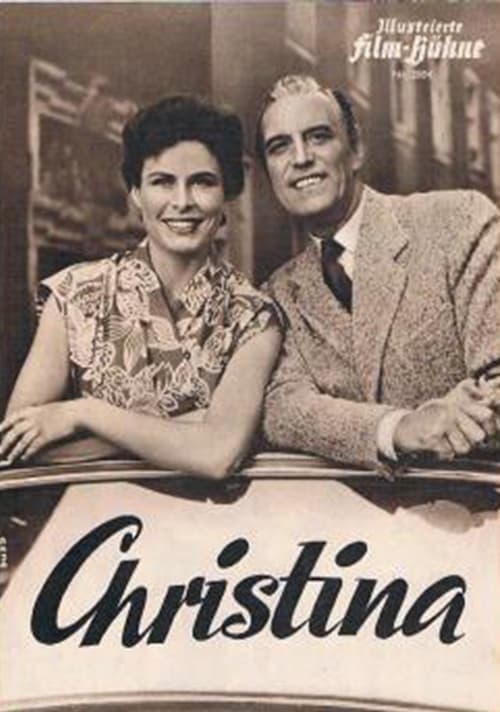
Christina is a mid-century West German drama that explores the complexities of post-war displacement and class dynamics. It provides a layer of ethnic nuance by centering on a character from Transylvania, offering a glimpse into the regional identities of the era. However, the film is heavily constrained by the social norms of 1953. It relies on traditional gender roles where the female lead functions largely as a catalyst for male romantic development. The narrative prioritizes the restoration of social order over systemic critique. Ultimately, the film functions as a conventional character study. While it touches on the instability caused by war, it remains tethered to traditional romantic and social structures.
Category Breakdown
The film follows a traditional romantic storyline where the main character chooses between a socially accepted relationship and a new attraction.
Christina, a warm and natural protagonist, primarily serves as a catalyst for the male lead's romantic journey. The narrative centers on the male protagonist's decision-making process.
The film introduces ethnic nuance through Christina, who is a displaced person from Transylvania. However, the cast remains largely homogeneous, focusing on regional displacement rather than multiculturalism.
The story addresses post-war socio-economic realities such as property loss. It leans towards traditional morality and the restoration of social order, rather than critiquing Western institutions.
There are no visible or invisible disabilities portrayed. No characters are identified as having specific physical, sensory, or neurodivergent traits.
Present on Screen
Limited or Absent
1956

1950
1953

1953
1945
1944
1956
1975
No reviews yet. Be the first to share your thoughts on this movie!
Use the rating form above to leave a star rating and optional review.