One Way Boogie Woogie
2012
No user ratings available yet
Representation score: 0.6 out of 10
Representation Score
Minimal
1984
Director
Peter Tscherkassky
Runtime
3 minutes
Average Rating
No ratings yetNew Showbiz Analysis
Peter Tscherkassky’s work is a seminal piece of postmodern cinema that prioritizes formalist experimentation over social representation. Because the film is non-narrative and focuses on the materiality of the medium, it lacks the character's ability to drive the story and dialogue needed to engage with traditional identity-based frameworks. While the film scores low in specific demographic categories, it achieves intellectual subversion by challenging the authority of the historical archive. It disrupts how history is consumed by destroying the traditional image in favor of a fragmented reality.
Category Breakdown
The film is a non-narrative, experimental work focusing on physical film manipulation. It contains no depictions of LGBTQ+ identities or dynamics centered around straight relationships.
The deconstruction focuses on film grain and texture rather than social roles. It does not engage with gendered hierarchies or character arcs.
The work uses historical footage of French factory workers. The experimental layering shifts focus away from ethnic representation toward a formalist study.
The film critiques the sanctity of the historical archive by deconstructing foundational Western cinema. It prioritizes a fragmented, non-linear reality over traditional narratives.
This abstract structuralist work contains no characters or depictions of neurodivergence, physical disability, or mental health conditions.
Present on Screen
Limited or Absent
Official Synopsis
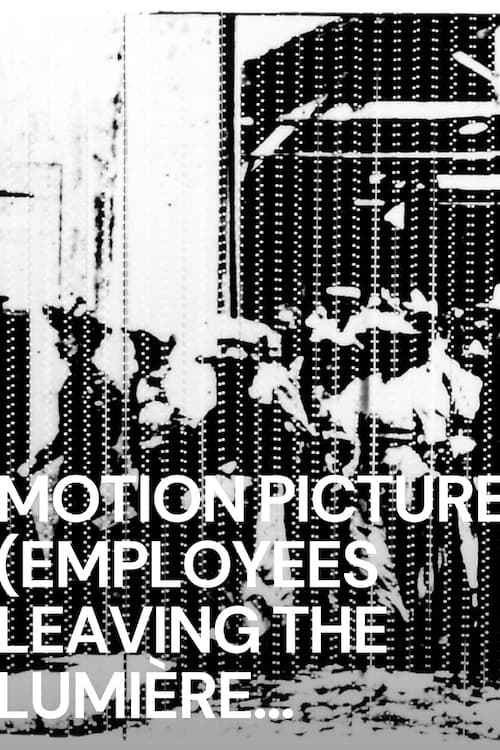
In the darkroom, 50 unexposed film strips were laid across a surface, upon which a frame of "La sortie des ouvrier de l'usine Lumière" was projected. The stringing together of the individual developed sections make up the new film, which reads the original frame like a page from a musical score: within the strips from top to bottom and sequentially from left to right.
2012
1929
2002

1927

1995

1969
1967
1967
No reviews yet. Be the first to share your thoughts on this movie!
Use the rating form above to leave a star rating and optional review.