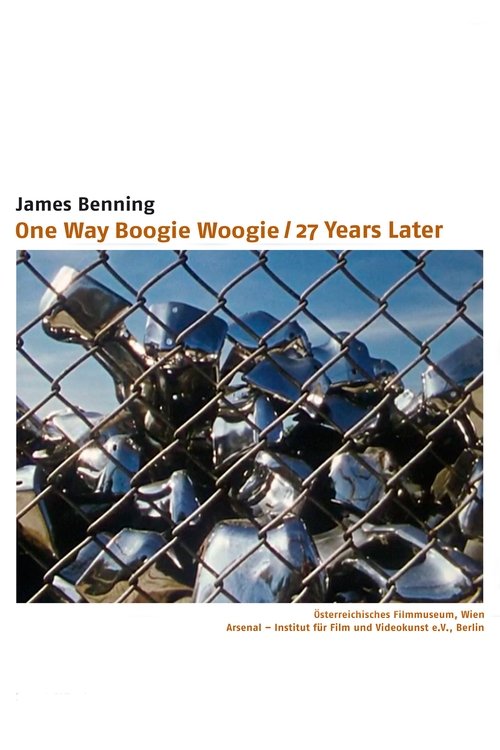
One Way Boogie Woogie/27 Years Later
2005
No user ratings available yet
Representation score: 0.1 out of 10
Representation Score
Minimal
2012
Director
James Benning
Runtime
90 minutes
Average Rating
No ratings yetNew Showbiz Analysis
James Benning’s experimental documentary explores landscape and time through static, long-duration shots of Milwaukee’s industrial and natural environments. The film emphasizes rhythmic, environmental scenes over human-driven storytelling. Because the work consists of inanimate objects set to Fats Domino’s music, it lacks the human ability to act needed for traditional sociological assessment. It does not engage with identity politics or interpersonal dynamics. Ultimately, the film serves as a neutral observer of topography, focusing on space rather than serving as a vehicle for social critique.
Category Breakdown
Since the film contains no human characters, there is no depiction of sexual orientation or gender identity.
With no human subjects, there are no depictions of masculinity, femininity, or gender hierarchies to analyze.
The film focuses on the interaction between man-made structures and the natural environment. Without a cast, there is no assessment of racial or ethnic representation.
The work uses found musical elements to deconstruct traditional storytelling. It observes industrial landscapes without offering explicit social commentary.
Since no characters are portrayed, there is no assessment of physical disability or neurodivergence.
Present on Screen
Limited or Absent
Official Synopsis
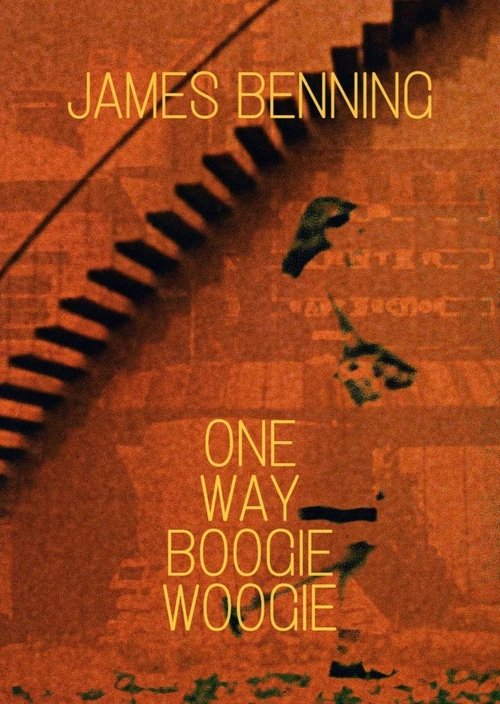
In summer 2011, James Benning returned to his hometown of Milwaukee to make a third version of his seminal 1977 film 'One Way Boogie Woogie'. In 1977 he filmed 60 locations in Milwaukee’s industrial valley each for 60 seconds, creating short, minimal, playful narratives. In 2004 he remade the film as Twenty Seven Years Later, with the same 60 camera positions. This 2012 installation version, presents 18 locations similar to, and reminiscent of, the original.
2005
1929
2009
1983
1977
2013
2007

2011
No reviews yet. Be the first to share your thoughts on this movie!
Use the rating form above to leave a star rating and optional review.