Be Seeing You
1968
No user ratings available yet
Representation score: 3.7 out of 10
Representation Score
Fair
1995
Director
Harun Farocki
Runtime
36 minutes
Average Rating
No ratings yetNew Showbiz Analysis
Harun Farocki’s documentary serves as a rigorous intellectual exploration of industrial production and labor. Using the Lumière Brothers' footage, the film analyzes the evolution of industrial processes through a formalist perspective. While the film lacks depth in individual identity-based representation, it excels in critiquing systemic issues. The work prioritizes class and economic structures over personal narratives, making it a sophisticated study of capitalism.
Category Breakdown
The film focuses on the collective movement of workers without highlighting individual LGBTQ+ identities or stories.
Women are shown as active participants in the labor force, but the film doesn't give them much ability to act or individual depth.
The film highlights the industrial landscapes and working-class demographics of Germany and Europe, but doesn't explore racial diversity.
The documentary effectively critiques traditional Western economic systems and the myth of industrial progress, revealing the exploitation of workers.
The film does not focus on neurodivergence or physical disabilities; it depicts workers based on their ability to perform labor.
Present on Screen
Limited or Absent
Official Synopsis
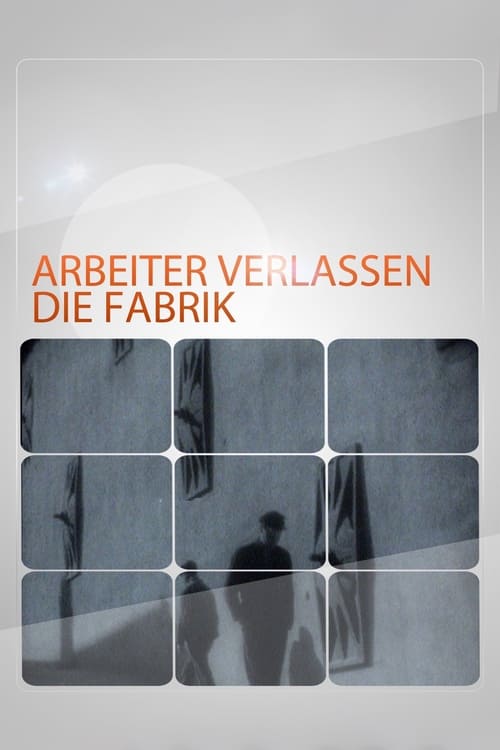
Using one of the Lumière Brothers' first films of workers leaving the Factory as his starting point, Farocki provides an insight to changes in industrial production, workers' strikes and motion pictures-- via images of workers leaving factories throughout the years.
1968
2019
![Movie poster for Sortie d'usine, [III]](https://image.tmdb.org/t/p/w500/8OSetr1MdBXm7mCy9vTlVMW4zDE.jpg)
1896

1971
2004
1978
2004
1984
No reviews yet. Be the first to share your thoughts on this movie!
Use the rating form above to leave a star rating and optional review.