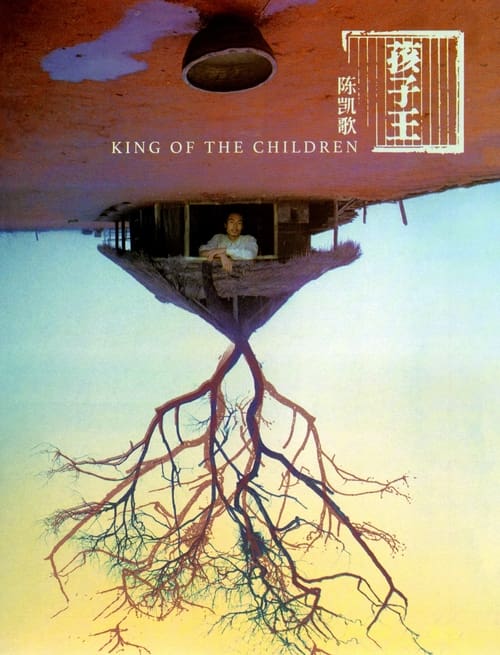
King of the Children
1987
No user ratings available yet
Representation score: 4.2 out of 10

Representation Score
Fair
1975
Director
Li Wenhua
Runtime
122 minutes
Average Rating
No ratings yetNew Showbiz Analysis
Breaking with Old Ideas is a product of mid-1970s state-sponsored cinema, designed to promote revolutionary collectivism. It disrupts traditional patriarchal structures by focusing on a female protagonist who challenges conservative institutional elements. While the film lacks queer representation and ethnic variety, it finds depth through class-based identity. By highlighting the peasant student archetype, the film challenges the dominance of the educated elite. Ultimately, the film’s strength lies in its aggressive deconstruction of old social hierarchies, even as it operates within a strictly defined ideological framework.
Category Breakdown
The film does not include any characters or situations related to LGBTQ+ identities. Its focus is entirely on class struggle and political alliances.
Li Jinfeng, a female peasant student, is central to the film’s ideological transformation. She challenges traditional hierarchies by taking a leading role in the political struggle.
The film features a largely homogeneous ethnic landscape. However, it uses class-based identity to highlight the struggles of the working class against the landed elite.
The story explicitly criticizes traditional social institutions and the family unit. It emphasizes revolutionary collectivism and the dismantling of outdated power structures.
There are no characters with visible or invisible disabilities mentioned in the narrative.
Present on Screen
Limited or Absent
Official Synopsis
The film tells the story of the Communist Labour College that opened in the 1960s. Long Guozheng, an emissary from the Communist government and Li Jinfeng, a female peasant student, must fight against the school's more conservative elements. In the film's climax, Li is put on trial and is about to be expelled from the school when she is saved by a pronouncement from Chairman Mao himself.
1987
1967
1959

1930
1980
1981
1998
1969
No reviews yet. Be the first to share your thoughts on this movie!
Use the rating form above to leave a star rating and optional review.