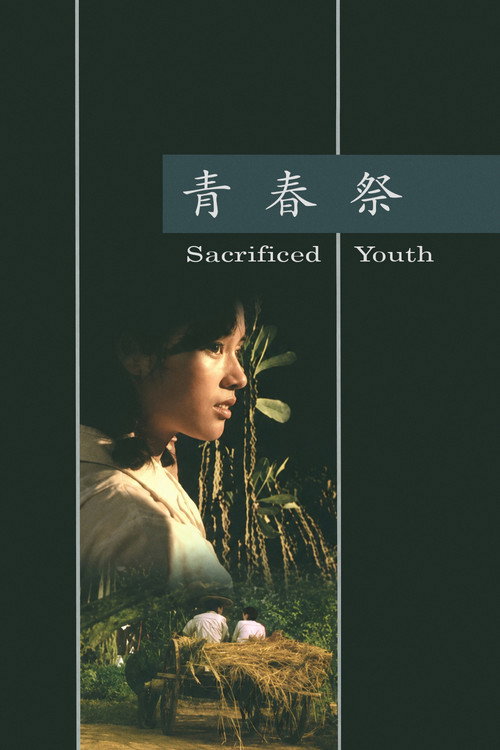
Sacrificed Youth
1985
No user ratings available yet
Representation score: 6.2 out of 10
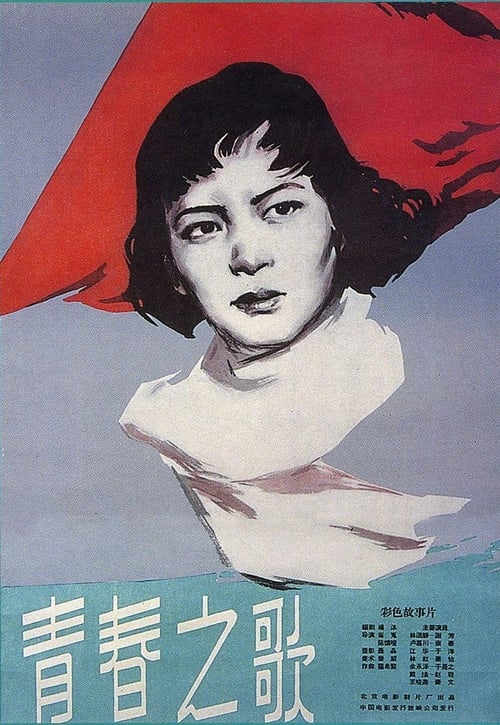
Representation Score
Fair
1959
Director
Cui Wei, Chen Huaiai
Runtime
157 minutes
Average Rating
No ratings yetNew Showbiz Analysis
Song of Youth is a foundational narrative of ideological transformation, focusing on a woman's journey from the domestic sphere to the Communist revolution. The film highlights women as vital drivers of historical change rather than mere domestic stabilizers. However, the film's scope is narrow by modern standards. It lacks representation for LGBTQ+ identities and characters with disabilities, and its ethnic homogeneity reflects its specific historical and national context. Ultimately, the film's strength lies in its intense cultural critique. It presents the rejection of traditional, Western-aligned social institutions as a necessary step toward systemic revolution and national identity.
Category Breakdown
The film follows the social and political frameworks of 1959 China and does not include any queer narratives or non-straight relationships.
The narrative transforms a housewife into an active political agent, focusing on a woman's intellectual growth rather than her role in the home.
The cast and setting are ethnically uniform, reflecting the Chinese film industry of the mid-20th century. It emphasizes the unity of the Chinese population.
The film critiques traditional social hierarchies and bourgeois domesticity, prioritizing collectivism and the dismantling of old social structures.
There are no characters with visible or invisible disabilities featured as central narrative elements or given specific ability to act.
Present on Screen
Limited or Absent
Official Synopsis
Adapted from a novel of the same title, this film depicts a young woman’s transformation from housewife to loyal Communist. This process is presented as “natural” – possessed of inherent logic rather than merely “incidental”. Hence, the film is really about Communist revolution that won over the hearts and minds of Chinese youth.
1985

1985

1975

1964
2006

1956
1973
1998
No reviews yet. Be the first to share your thoughts on this movie!
Use the rating form above to leave a star rating and optional review.