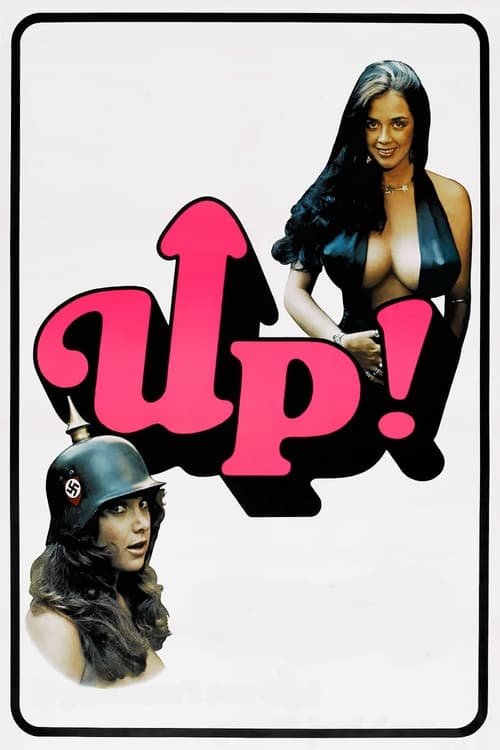
Up!
1976
No user ratings available yet
Diversity score: 3.6 out of 10
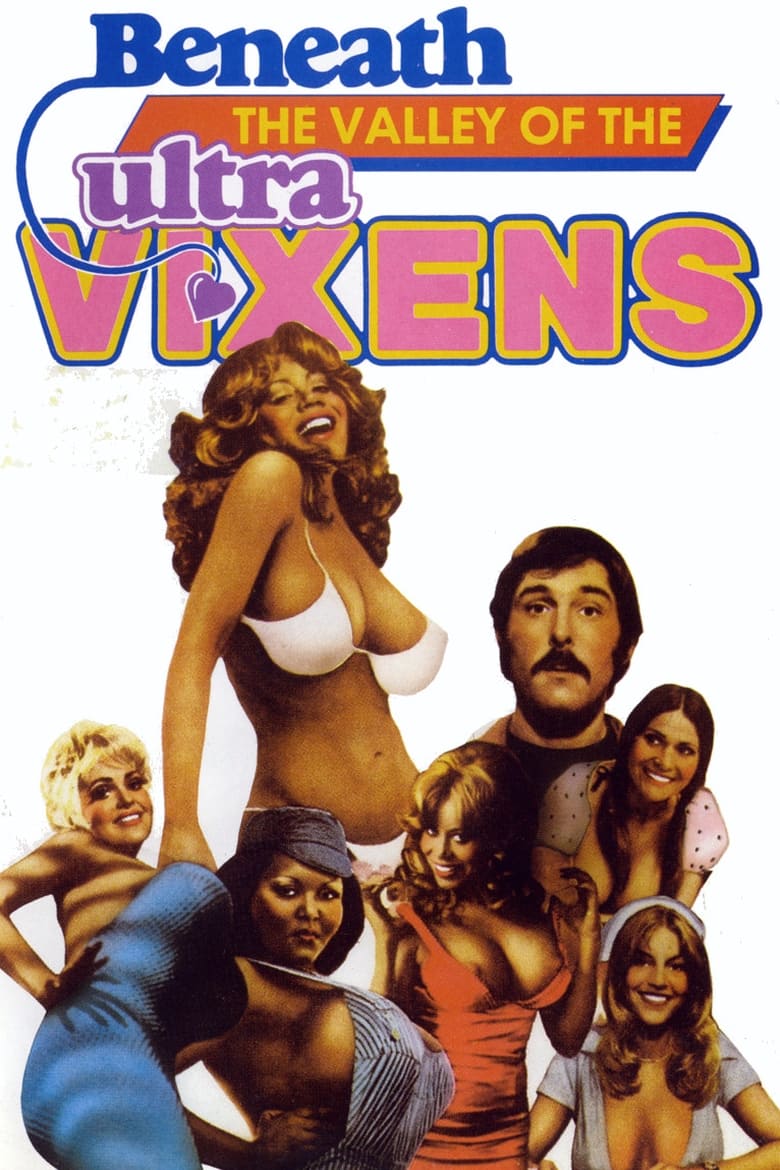
1979
NRDirector
Russ Meyer
Runtime
93 minutes
Average Rating
No ratings yetSynopsis
Believe it or not even in Smalltown USA there are still people who are unfulfilled and unrelieved in the midst of plenty. Levonna & Lamar could have the perfect relationship if it were not Lamar's obsession with rear entry. After submitting to the one last time Levonna comes up with a plan. While Lamar is trying find other tail to try his technique on, Levonna becomes Lola with aid of a wig and a Mexican accent. A Mexican cocktail later Lola finally has Lamar straight, but he wasn't awake for it. The gay marriage counselor, attracted to Lamar's problem, couldn't help them and Lemar must finally seek redemption at the church of Rio Dio Radio and the laying on of hands by Sister Eufaula Roo.
Overall Score
Fair
Category Breakdown
LGBTQ+ Representation
The film lacks explicit LGBTQ+ identities or non-cisnormative romantic pairings. It focuses on highly stylized, heteronormative sexual dynamics instead.
Gender Representation
Female characters are depicted as sexually assertive and physically imposing. They act as the primary drivers of the film's energy, subverting traditional patriarchal structures.
Racial & Ethnic Diversity
The cast is largely homogeneous, reflecting the era and genre constraints. The narrative lacks intersectional racial depth or diverse ethnic ensembles.
Religious & Cultural Diversity
The film rejects traditional morality in favor of a hyper-sexualized, satirical landscape. It deconstructs social institutions by portraying authority figures as buffoonish.
Disability Representation
There is no significant evidence regarding the depiction of physical or neurodivergent disabilities within the narrative.
Strengths
Areas for Improvement
AI Analysis
Russ Meyer’s work utilizes camp and hyper-exaggeration to disrupt conventional social decorum. The film succeeds in subverting gender hierarchies by centering assertive, empowered women who drive the comedic momentum. However, the film is limited by a lack of racial and LGBTQ+ diversity. The homogeneous cast and heteronormative focus prevent a more inclusive representation of identity. Ultimately, the film functions as a postmodern critique of Western social institutions. It prioritizes individual impulse and sexual autonomy over traditional communal or religious standards.
1976

1961
1968
1962

1975
1977
1974
1977
1987

1969
1974
1979
No reviews yet. Be the first to share your thoughts on this movie!
Use the rating form above to leave a star rating and optional review.