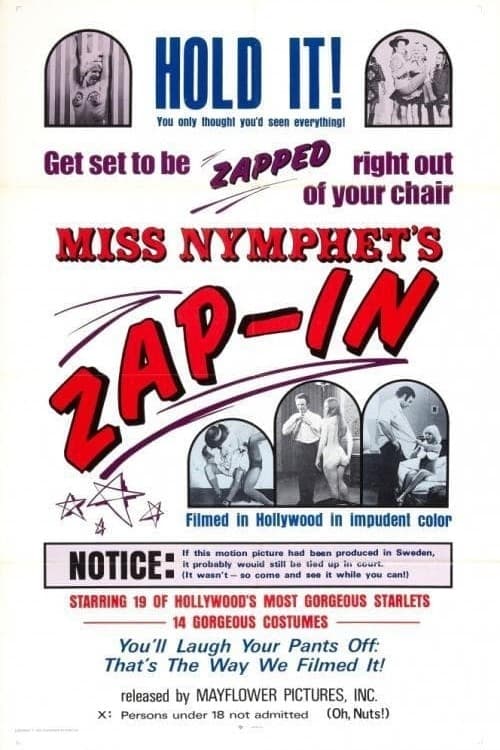
Miss Nymphet's Zap-In
1970
No user ratings available yet
Representation score: 2.2 out of 10
Representation Score
Limited
1961
Director
Russ Meyer
Runtime
68 minutes
Average Rating
No ratings yetNew Showbiz Analysis
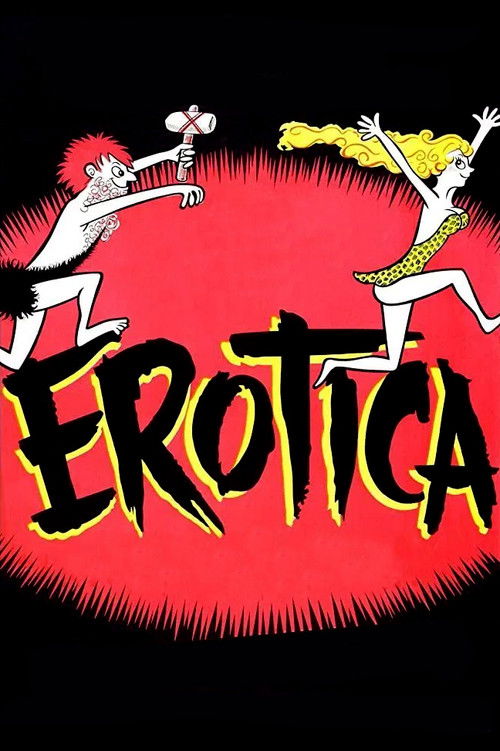
Russ Meyer’s *Erotica* is a period-specific exploration of female sexuality. Its main progressive value lies in shifting the focus from traditional gender roles to place women at the center of the visual and thematic experience. This was a notable shift from the patriarchal norms of 1961 cinema. However, the film is limited in its scope. It does not represent diverse racial, LGBTQ+, and disability backgrounds, focusing instead on a specific perspective on gendered control.
Category Breakdown
The film does not feature any documented LGBTQ+ characters or stories. The short segments focus on traditional themes of female sexuality within a comedic setting.
The film challenges traditional power structures by emphasizing female physicality and control. This structure shifts the focus away from male-dominated narratives common during that time.
There is no indication of a multi-ethnic cast. The production follows the homogeneous casting practices typical of independent cinema in 1961.
The work emphasizes secularism and physical enjoyment over religious traditions. It examines non-traditional social settings, such as nudist environments, to question strict moral frameworks.
No characters with physical or neurodevelopmental disabilities are present in the film's short segments or historical records.
Present on Screen
Limited or Absent
Official Synopsis
Six vignettes of female sexuality: 'Naked Innocence', 'Beauties, Bubbles and H2O', 'The Bear and the Bare', 'Nudists on the High Seas', 'The Nymphs' and 'The Bikini Busters'.
1970
1975
1976
1976
1959
1975
1963
1971
No reviews yet. Be the first to share your thoughts on this movie!
Use the rating form above to leave a star rating and optional review.