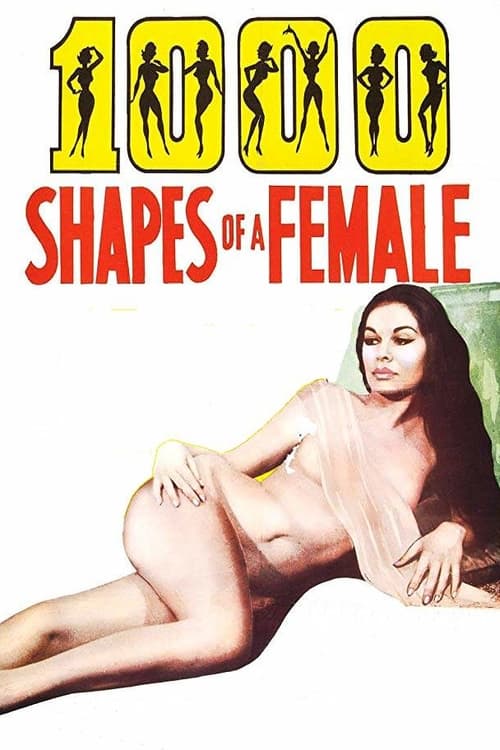
1,000 Shapes of a Female
1963
No user ratings available yet
Representation score: 1.1 out of 10

Representation Score
Fair
1969
RDirector
Franz Marischka
Runtime
86 minutes
Average Rating
No ratings yetNew Showbiz Analysis
Let It All Hang Out captures the spirit of the late-1960s counterculture movement, using sexual liberation as its main theme. It successfully disrupts traditional gender roles by focusing on a female protagonist who actively pursues her desires. While the film effectively challenges mid-century social constraints, it remains limited in its demographic representation. The focus on Western countercultural figures restricts the film's exploration of diverse identities. Ultimately, the film critiques conventional morality and the nuclear family structure, but it lacks broad representation of diverse identities.
Category Breakdown
The film explores sexual freedom and challenges traditional monogamous relationships. However, it does not clearly depict any LGBTQ+ identities or non-traditional gender expressions.
The protagonist challenges mid-century stereotypes by taking an active role in pursuing her desires. This disrupts traditional expectations of female modesty and passivity.
The narrative focuses on Western countercultural figures from the 1960s. There is no indication of a diverse or non-Anglo-Saxon cast.
The film critiques traditional Western institutions and conservative morality. It emphasizes individualistic ethics and the rejection of social norms through a beatnik-hippy perspective.
There is no clear focus on characters with physical or neurodivergent disabilities.
Present on Screen
Limited or Absent
Official Synopsis
The girlfriend of a beatnik-hippy artist enjoys having her body painted, posing naked for her boyfriend and seducing other men.
1963

1969
1967
1969
1969

1971
1962

1970
No reviews yet. Be the first to share your thoughts on this movie!
Use the rating form above to leave a star rating and optional review.