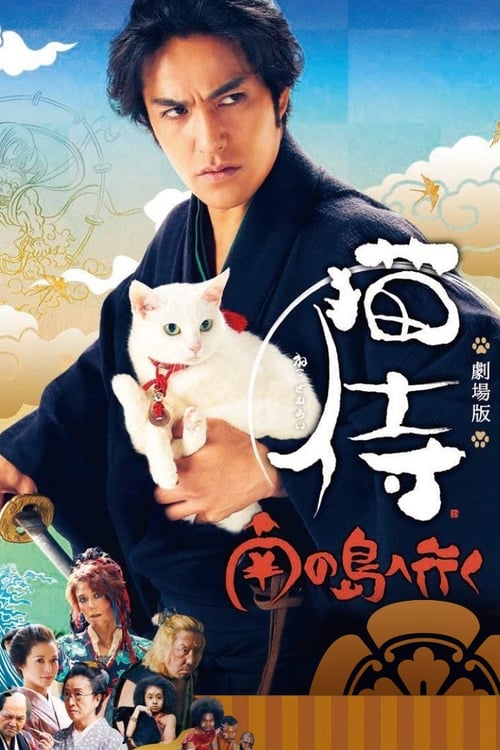
Samurai Cat 2: A Tropical Adventure
2015
No user ratings available yet
Representation score: 3.1 out of 10

Representation Score
Limited
2016
TV-PGDirector
Takeshi Watanabe
Runtime
90 minutes
Average Rating
No ratings yetNew Showbiz Analysis
This period piece functions as a standard historical comedy-drama. It relies heavily on established social hierarchies and masculine archetypes typical of the jidaigeki genre. The plot centers on a legendary samurai and his encounter with a cat, emphasizing traditional storytelling over narrative deconstruction. While the film accurately reflects its historical setting, it does not challenge conventional expectations through perspectives that reflect multiple aspects of identity. The focus remains on the professional contract and the central character's identity as a feared warrior.
Category Breakdown
The film does not include any explicit LGBTQ+ characters or narratives. It focuses on the relationship between a samurai and a cat, which leaves no room for non-straight identities.
The story centers on Kyutaro Madarame, a male character embodying traditional masculine traits. There is minimal representation of female characters or subversion of gender roles.
Set in the Edo era, the cast is uniformly Japanese. The film reflects the historical context without introducing diverse ethnicities.
The story adheres to classic Japanese historical themes of duty and honor. It reinforces traditional cultural archetypes without introducing secular or disruptive themes.
There is no mention of characters with visible or invisible disabilities in the narrative.
Present on Screen
Limited or Absent
Official Synopsis
A prequel to the story of the legendary samurai and one cat. In Edo era, there was a legendary samurai named Kyutaro Madarame who are feared as a "Madara the Devil". He was somehow hired for killing a cat named Tamanojo. Just before Kyutaro slashes on Tamanojo, he realizes that Tamanojo looking into his eyes and said "meow". But why?
2015

2018
2014

1977

2013

2010
2012
1975
No reviews yet. Be the first to share your thoughts on this movie!
Use the rating form above to leave a star rating and optional review.