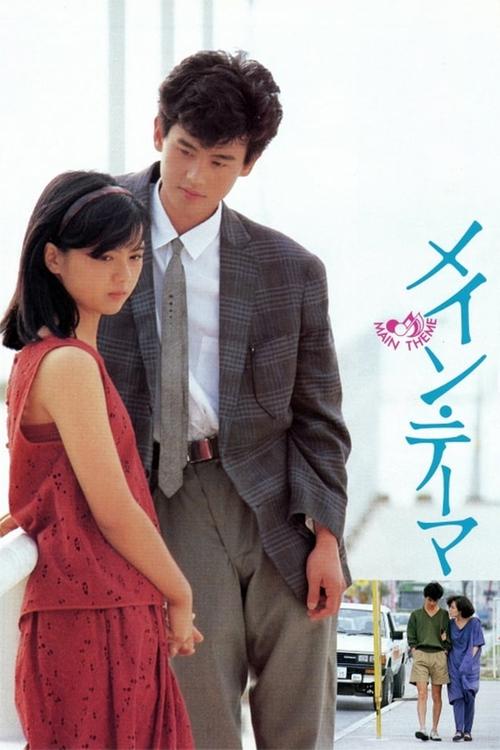
Main Theme
1984
No user ratings available yet
Diversity score: 6.5 out of 10

2010
Director
Yoshihiro Nakamura
Runtime
108 minutes
Average Rating
No ratings yetSynopsis
A samurai from the Edo Period time travels to present day Japan where he meets a divorcee and her son. Soon, he discovers a passion for making pastries.
Overall Score
Fair
Category Breakdown
LGBTQ+ Representation
The film lacks explicit evidence of LGBTQ+ characters or non-heteronormative identities. The narrative focuses on the interaction between a historical male and a modern female-led household.
Gender Representation
The story disrupts traditional hierarchies by centering on a female divorcee's autonomy. It subverts masculine archetypes as the Samurai shifts from combat to the domestic art of pastry making.
Racial & Ethnic Diversity
Set within a culturally homogeneous Japanese framework, the film focuses on temporal displacement rather than multi-ethnic casting. It does not present evidence of racial intersectionality.
Religious & Cultural Diversity
The narrative critiques rigid historical hierarchies by clashing Edo-period discipline with modern individualism. It replaces feudal duty with secular, consumer-driven pursuits like culinary arts.
Disability Representation
There is no evidence regarding the portrayal of physical or neurodivergent disabilities within the film's narrative.
Strengths
Areas for Improvement
AI Analysis
The film's strength lies in its subversion of traditional archetypes. By moving a Samurai from the battlefield to the kitchen, it challenges rigid notions of masculinity and historical duty. The focus on a female-led, divorced household provides a modern social perspective that contrasts with the protagonist's feudal origins. However, the film operates within a narrow demographic scope. It lacks intersectional breadth, offering little in the way of racial diversity or LGBTQ+ representation. The narrative is primarily a study of temporal displacement rather than a broad exploration of diverse identities. Ultimately, while the film offers progressive social commentary through its character shifts, its lack of multi-ethnic or queer visibility limits its overall diversity impact.
1984

2004
2024

2006
1987

2021

2008
2017

2010

2016

2022
No reviews yet. Be the first to share your thoughts on this movie!
Use the rating form above to leave a star rating and optional review.