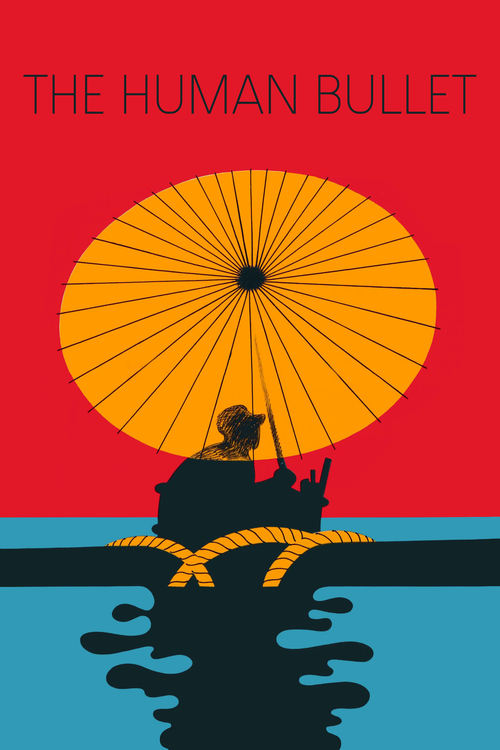
The Human Bullet
1968
No user ratings available yet
Representation score: 4.2 out of 10
Representation Score
Limited
1975
Director
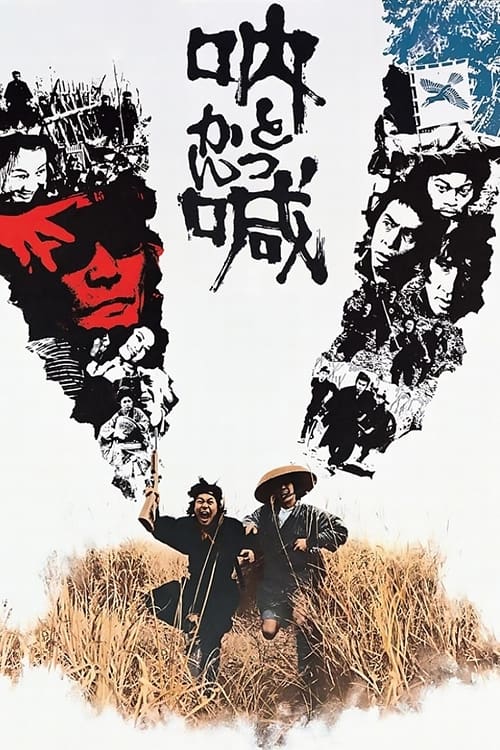
Kihachi Okamoto
Runtime
93 minutes
Average Rating
No ratings yetNew Showbiz Analysis
Battle Cry is a sophisticated deconstruction of nationalistic mythmaking. It avoids the traditional glorification of the samurai archetype, focusing instead on the friction between rigid ideological codes and the chaotic reality of political change. By using the Meiji Restoration as a backdrop, the film examines the breakdown of social orders and the instability of shifting power dynamics. While it lacks diversity in gender and LGBTQ+ representation, it offers depth through its cultural subversion and critiques of traditional authority.
Category Breakdown
The film adheres to a traditional masculine framework and does not include narratives about non-straight gender identities or relationships.
The story focuses on a male-dominated hierarchy of samurai warriors. It excludes women from playing significant roles in the political and martial conflicts.
The casting reflects historical accuracy during the Bakumatsu period. The film stays true to history without whitewashing but does not include diverse backgrounds.
The film successfully challenges traditional institutional stability. It questions the romanticization of nationalism and explores the tension between indigenous values and Western influence.
There are no prominent depictions of physical or cognitive disabilities used as central plot devices or character traits.
Present on Screen
Limited or Absent
Official Synopsis
During the military phase of the Meiji Restoration of 1868, Sentaro joins a local militia loyal to the Tokugawa Shogunate in order to fight Imperial troops. But Sentaro's friendship with a pickpocket, who switches sides whenever it suits his needs, leads to complications that could cost Sentaro his life as they infiltrate enemy lines.
1968
1952
1963

1975

2005
1965
1963
1969
No reviews yet. Be the first to share your thoughts on this movie!
Use the rating form above to leave a star rating and optional review.