
The Flame of Devotion
1964
No user ratings available yet
Representation score: 5.7 out of 10
Representation Score
Limited
1966
Director
Tomotaka Tasaka
Runtime
129 minutes
Average Rating
No ratings yetNew Showbiz Analysis
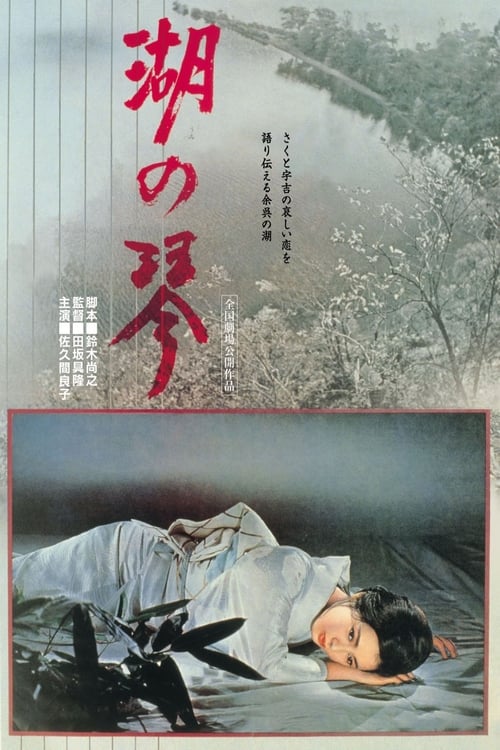
Koto—The Lake of Tears is a traditional period drama that prioritizes atmospheric storytelling and cultural heritage. While it showcases a woman with economic and vocational independence through Saku's role as a string maker, this ability to act is overshadowed by a romantic plotline driven by a dominant male character. Ultimately, the film serves as a culturally specific portrait of Japanese life, lacking the multi-layered depth or subversion of norms required to move beyond a standard romantic drama framework.
Category Breakdown
The story revolves around a conventional romance between the protagonist and a male musician. There are no characters with non-traditional gender identities or critiques of the assumption that everyone is straight or cisgender.
Saku has professional independence as a shamisen string maker. However, her story is disrupted by a male figure, suggesting a reliance on traditional romantic clichés.
The film features a culturally homogeneous cast reflecting its Japanese setting. It focuses on a specific cultural narrative rather than a multi-ethnic or multi-layered perspective.
The story highlights heritage and established social structures through the lens of traditional craftsmanship. It does not appear to prioritize the deconstruction of traditional institutions.
There are no characters navigating physical, neurodivergent, or mental health conditions within the film's context.
Present on Screen
Limited or Absent
Official Synopsis
A touching story following young shamisen string maker, Saku. Beautiful Saku moves to Lake Yogo, known for its production of quality shamisen strings, only to find her peaceful life turned upside down when a master musician takes personal interest in her.
1964

1939

2019

1998

1953

1963

1955
1976
No reviews yet. Be the first to share your thoughts on this movie!
Use the rating form above to leave a star rating and optional review.