
Holiday
1930
No user ratings available yet
Representation score: 1.9 out of 10
Representation Score
Minimal
1946
PassedDirector
Peter Godfrey
Runtime
87 minutes
Average Rating
No ratings yetNew Showbiz Analysis
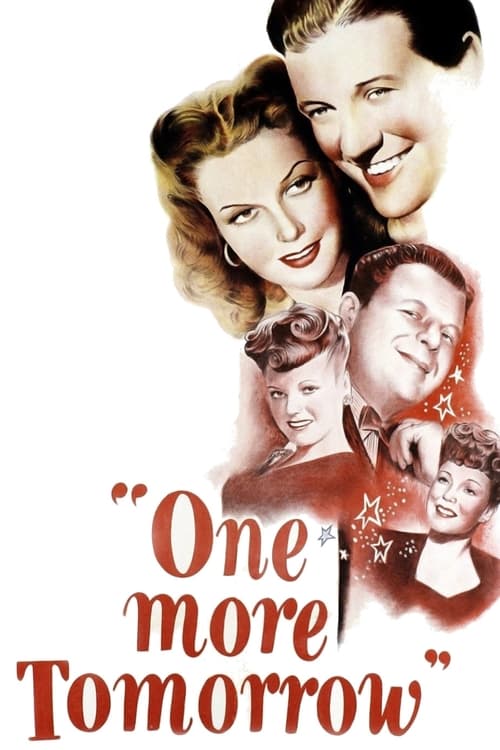
One More Tomorrow is a period piece that emphasizes traditional narrative structures and social hierarchies. It functions as a typical romantic drama that reinforces conventional social stability through its conclusion. The film relies heavily on established mid-century clichés, particularly concerning gender and class. Although it touches on evolving social ideas through its magazine setting, it does not challenge the status quo. Ultimately, the lack of diverse representation and adherence to conservative cinematic traditions places this work squarely within the 1940s studio system mold.
Category Breakdown
The film adheres to traditional assumptions where everyone is assumed to be straight and cisgender. There are no representations of non-binary genders or same-sex relationships.
The film follows traditional gender roles where the male lead drives the plot. The female lead plays a significant role but her actions are largely defined by her relationship to the man.
The cast is predominantly made up of white actors representing the upper and middle classes. The narrative centers around the social dynamics within these communities.
The story examines the conflict between modern media and traditional family values. Despite this, it ultimately supports traditional social structures and domestic stability.
There are no visible or invisible disabilities shown in the film. All characters are depicted as physically and neurotypically healthy.
Present on Screen
Limited or Absent
Official Synopsis
Shiftless playboy Tom Collier lives to jump from party to party — until he meets photographer Christie Sage. Through Christie, Tom takes over the ownership of The Bantam, a liberal magazine that opposes everything his family represents. As Tom and Christie's relationship deepens, love blooms and he proposes to her. Realizing that she could never fit in with Tom's social circle, Christie says no, a decision she later regrets. But Tom isn't left alone for long — scheming gold-digger Cecelia Henry wastes no time in catching Tom on the rebound and forcing him into a disastrous marriage.
1930
1938

1937
1940
1932
1941

1949

1936
No reviews yet. Be the first to share your thoughts on this movie!
Use the rating form above to leave a star rating and optional review.