
The Skipping Cheese
1907
No user ratings available yet
Representation score: 0.6 out of 10

Representation Score
Minimal
1897
Director
Georges Méliès
Runtime
1 minutes
Average Rating
No ratings yetNew Showbiz Analysis
Georges Méliès' early work is a foundational example of slapstick spectacle, but it lacks any modern multi-layered complexity. The film functions as a pure physical comedy, prioritizing situational absurdity over character depth or social commentary. The production is a product of its era, characterized by a homogeneous cast and traditional social structures. It does not attempt to challenge or disrupt the prevailing cultural norms of the late 1890s. Ultimately, the film serves as a technical milestone for 'trick films' rather than a vehicle for diverse representation.
Category Breakdown
The film does not depict any LGBTQ+ identities. Queer narratives are absent, and character interactions rely on traditional comedic archetypes.
A female character serves as a central plot catalyst but lacks personal ability to act. The narrative reinforces conventional gender hierarchies through physical slapstick humor.
The cast is entirely homogeneous, reflecting the Eurocentric casting norms of late 19th-century French cinema. There is no racial or ethnic diversity present.
The story presents a localized comedy of manners and crime. It lacks any critique of systemic oppression or deconstruction of traditional institutions.
No visible or invisible disabilities are portrayed. While the comedy uses exaggerated movement, these actions are not linked to lived identities of impairment.
Present on Screen
Limited or Absent
Official Synopsis
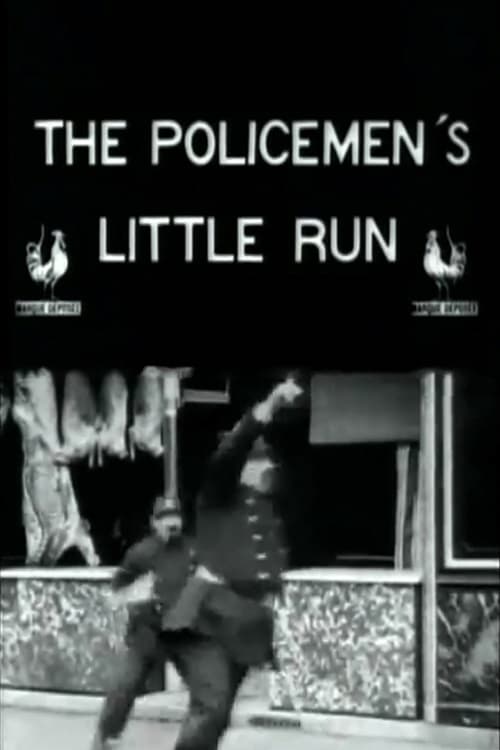
Two crooks throw a lady off a roof, and a hapless policeman tries to capture them.
1907
1897
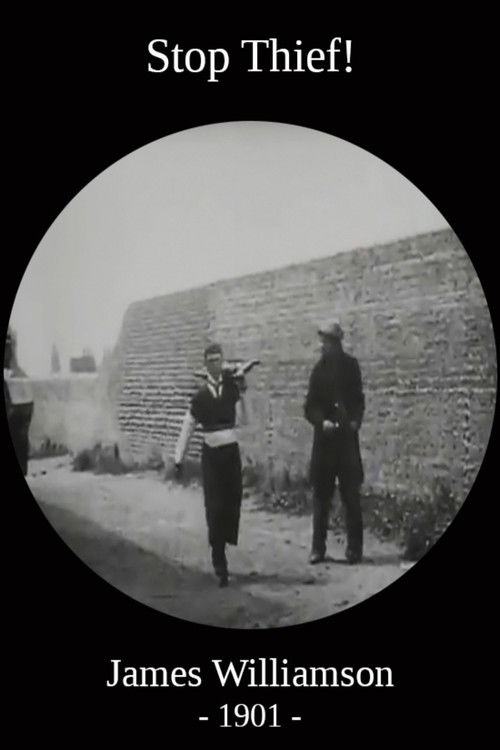
1901
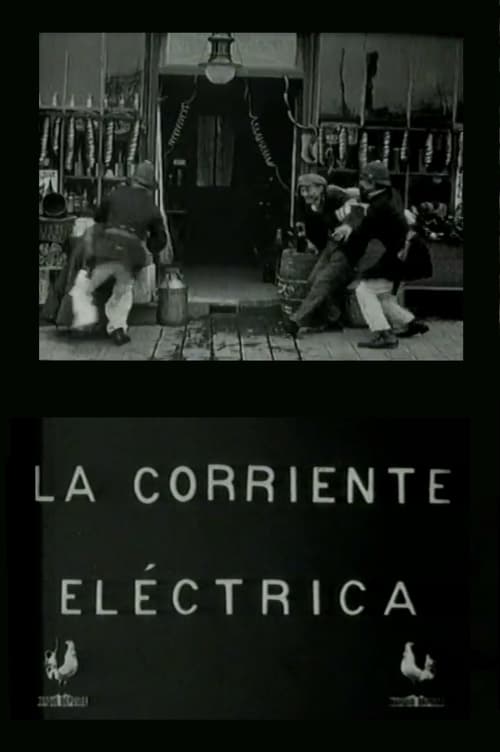
1906
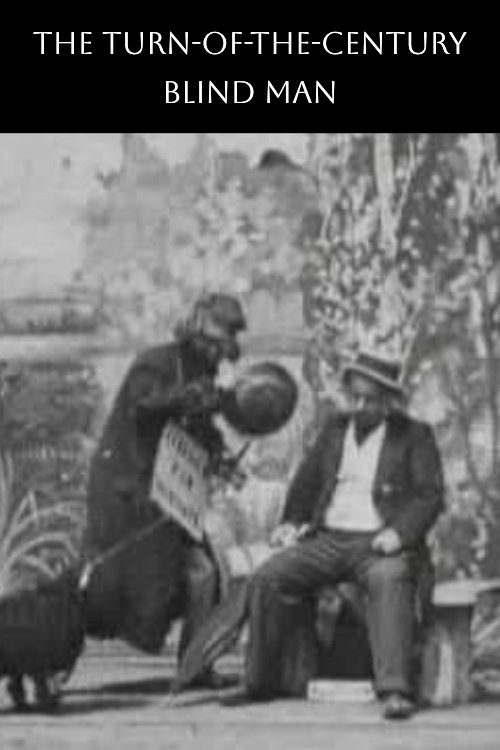
1898
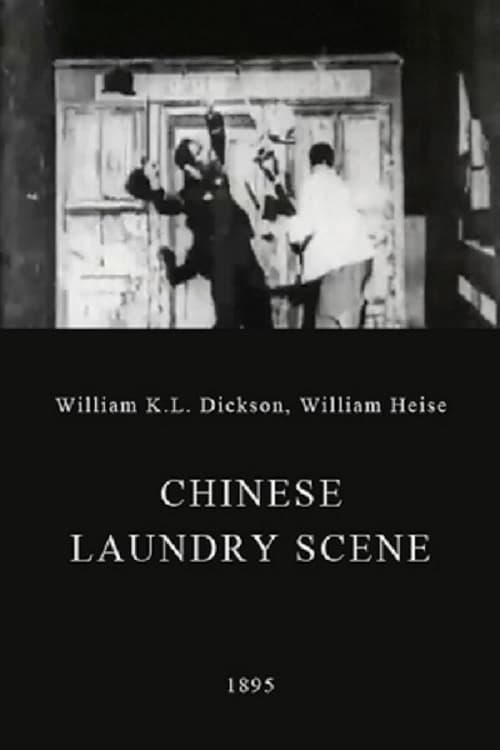
1894
1907
1900
No reviews yet. Be the first to share your thoughts on this movie!
Use the rating form above to leave a star rating and optional review.