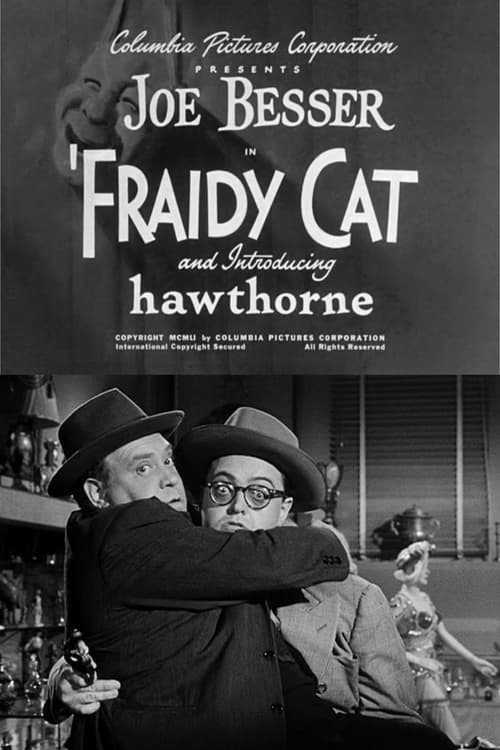
Fraidy Cat
1951
No user ratings available yet
Diversity score: 2.7 out of 10
No Poster Available
1901
Director
James Williamson
Runtime
2 minutes
Average Rating
No ratings yetSynopsis
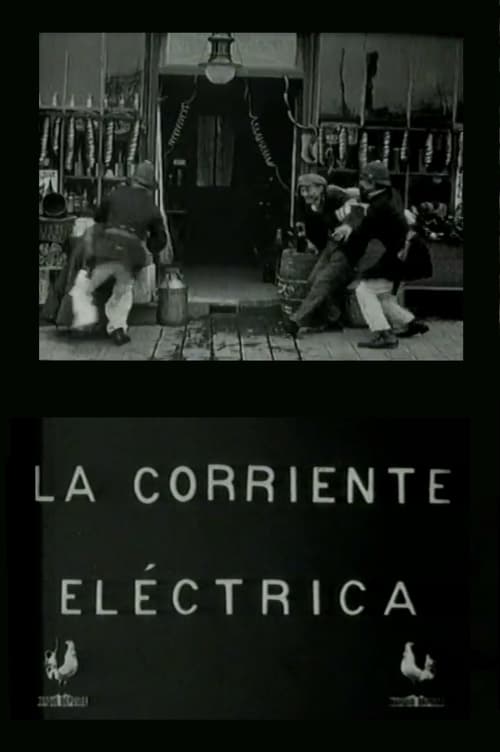
A lad from a butcher shop is carrying a tray laden with a roast or a leg of lamb. A hobo grabs it and runs. The boy gives chase, joined by dogs, as neighbors watch the spectacle. The hobo jumps into a large rain barrel, followed by the dogs.
Overall Score
Minimal
Category Breakdown
LGBTQ+ Representation
The film lacks any evidence of non-cisnormative identities. The narrative focuses entirely on the physical comedy of a chase.
Gender Representation
The story centers on a male lad and a hobo. There are no women depicted with agency or intellectual dominance.
Racial & Ethnic Diversity
The setting appears to be a homogeneous urban environment. No non-white characters are present to drive the narrative.
Religious & Cultural Diversity
The plot follows a standard comedic spectacle regarding theft and social order. It offers no critique of Western institutions.
Disability Representation
No characters with visible or invisible disabilities are portrayed. The narrative does not include disability as part of its fabric.
Strengths
Areas for Improvement
AI Analysis
James Williamson’s 1901 short is a foundational piece of early British slapstick, prioritizing kinetic movement and visual gags over social depth. The film functions as a simple chase sequence involving a butcher's assistant and a thief, driven by the technical constraints of the silent era. Because the work predates modern frameworks of identity politics, it lacks intentionality regarding representation. The characters serve purely functional roles within a localized, homogeneous setting, focusing on physical struggle rather than complex social commentary. Ultimately, the film is a primitive comedic spectacle. It does not engage with systemic hierarchies or diverse perspectives, reflecting the limited narrative architecture of early cinema.
1951
1925
1906

1897
1906
1921
1922
1894

2006

1964
No reviews yet. Be the first to share your thoughts on this movie!
Use the rating form above to leave a star rating and optional review.