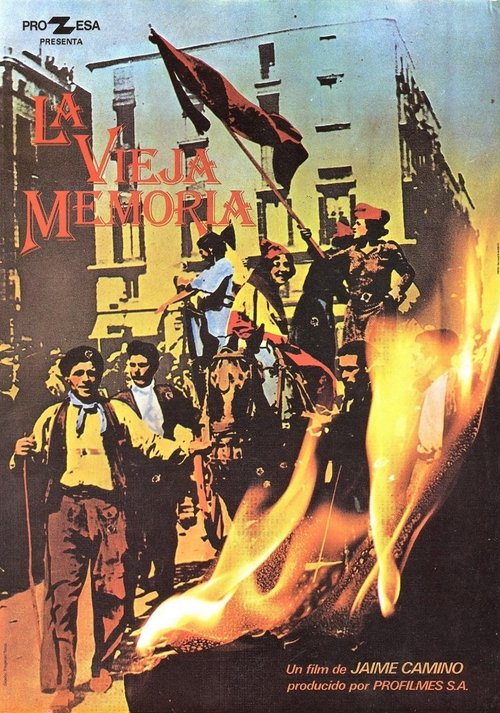
La vieja memoria
1979
No user ratings available yet
Representation score: 5.6 out of 10
Representation Score
Limited
1977
Director
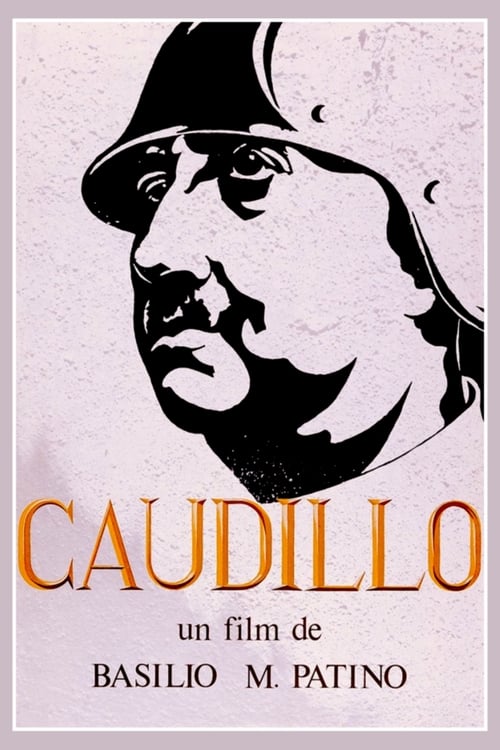
Basilio Martín Patino
Runtime
130 minutes
Average Rating
No ratings yetNew Showbiz Analysis
Caudillo is a sophisticated historical autopsy that uses experimental documentary forms to interrogate state power. While the archival footage itself is rooted in the conservative, patriarchal, and homogeneous hierarchies of the Francoist era, the film's structural intent is deeply progressive. Rather than merely reflecting the era, the film actively deconstructs the propaganda used to maintain dominance. It uses cinematic montage to expose the mechanics of systemic oppression and the manufactured nature of traditional social roles. Ultimately, the film's strength lies in its analytical framework, which challenges historical revisionism and the institutional structures of the time.
Category Breakdown
The film reflects a period where being straight and cisgender was assumed, and it suppresses stories of those with different sexual orientations and gender identities. Archival footage focuses on state-sanctioned family units, implicitly acknowledging the erasure of LGBTQ+ narratives through its documentation of rigid social structures.
Footage depicts traditional, submissive gender roles centered on motherhood and domesticity. However, the film's editorial intent is to critique these roles as manufactured political tools rather than presenting them as natural.
The documentary examines the monolithic, white nationalist identity promoted by the Spanish state. It highlights how the regime used a homogenous concept of Spanishness to sideline various internal and external others.
The film excels by critiquing the intersection of the Catholic Church and the Spanish State. It uses postmodern montage to dismantle official truths and challenge state-mandated morality and traditional power dynamics.
There is no significant evidence regarding the representation of physical or neurodivergent identities within the archival focus.
Present on Screen
Limited or Absent
Official Synopsis
Caudillo is a documentary film by Spanish film director Basilio Martín Patino. It follows the military and political career of Francisco Franco and the most important moments of the Spanish Civil War. It uses footage from both sides of the war, music from the period and voice-over testimonies of various people.
1979
1935
1937
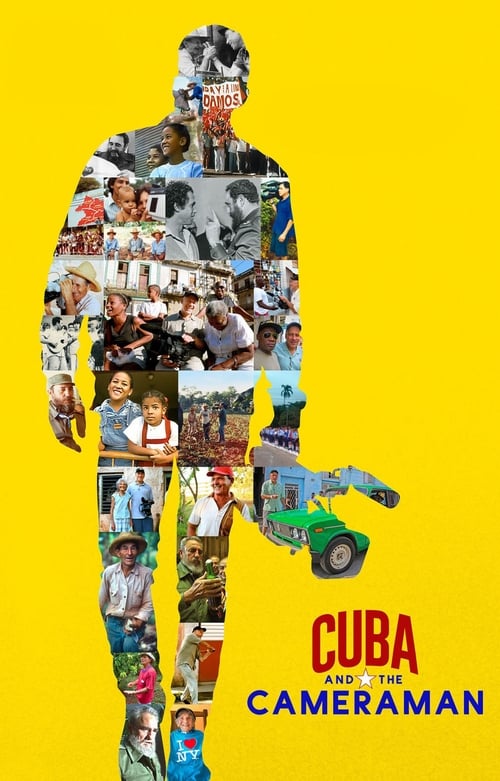
2017
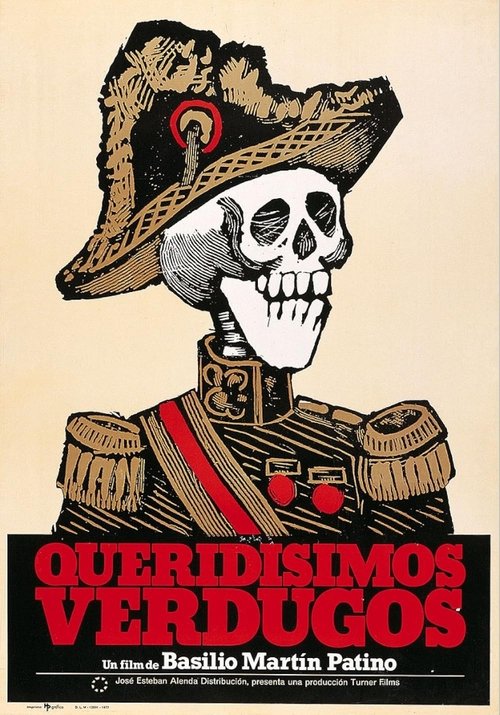
1977
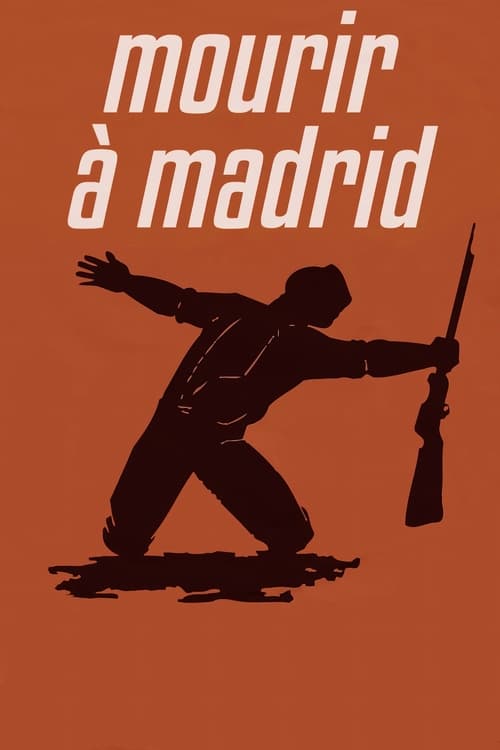
1963

1976

1939
No reviews yet. Be the first to share your thoughts on this movie!
Use the rating form above to leave a star rating and optional review.