
The Dinner
1974
No user ratings available yet
Representation score: 5.3 out of 10

Representation Score
Limited
1977
Director
Basilio Martín Patino
Runtime
103 minutes
Average Rating
No ratings yetNew Showbiz Analysis
Basilio Martín Patino uses a clandestine documentary style to dismantle state-sanctioned narratives of the Francoist era. By centering the testimonies of both executioners and victims' families, the film provides a fragmented, multi-perspective view of systemic cruelty. While the film lacks traditional demographic diversity, such as LGBTQ+ or racial representation, it excels in cultural and systemic critique. It successfully challenges the monolithic 'official' history of Spain by examining the human mechanics of state violence. Ultimately, the work functions as a profound investigation of institutional power, prioritizing the deconstruction of national authority over standard biographical storytelling.
Category Breakdown
The documentary focuses on political executions and state violence. There is no specific evidence of LGBTQ+ character arcs or stories about queer identity.
The film shifts focus from state leaders to the lives of ordinary families. Including the voices of families adds a personal dimension that complicates the typical masculine, state-driven narratives.
The subjects reflect the demographic realities of 1970s Spain. The film highlights internal divisions among the population rather than the ethnic homogeneity promoted by the state.
The film critiques Western institutions like the state and legal systems. It deconstructs official morality by framing state actions as tools of oppression.
There is no specific evidence regarding the portrayal of physical or neurodivergent disabilities within the film.
Present on Screen
Limited or Absent
Official Synopsis
This documentary, filmed clandestinely, is based on several interviews with the executioners who worked in Spain during the early 1970s, as well as families of people executed by them.
1974

2017
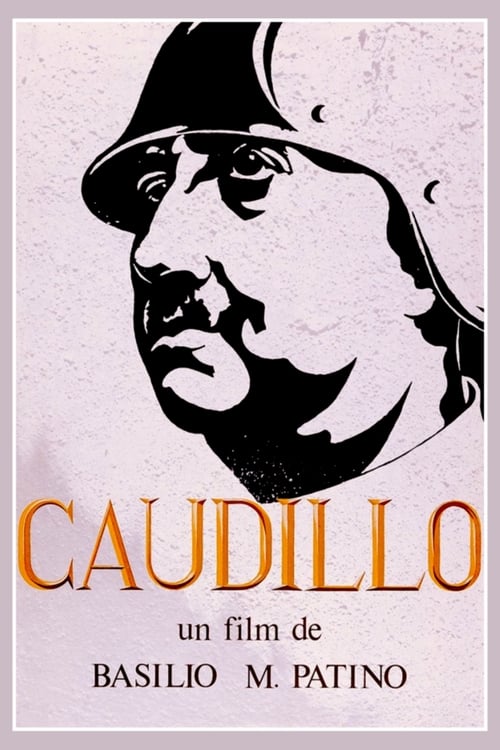
1977
2012

2011

2004
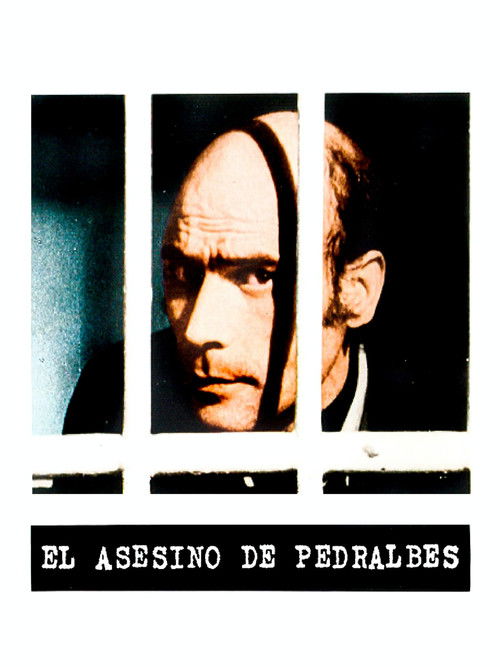
1978

1987
No reviews yet. Be the first to share your thoughts on this movie!
Use the rating form above to leave a star rating and optional review.