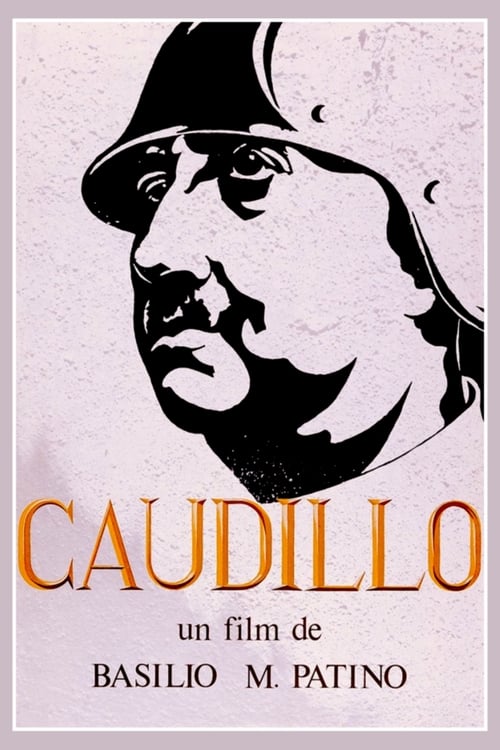
Caudillo
1977
No user ratings available yet
Representation score: 3.3 out of 10

Representation Score
Excellent
1976
Director
Basilio Martín Patino
Runtime
101 minutes
Average Rating
No ratings yetNew Showbiz Analysis
Basilio Martín Patino employs archival montage to challenge monolithic state narratives. By focusing on popular culture, the film centers the everyday experiences of those affected by systemic oppression. The work offers a nuanced critique of institutional power. Using historical artifacts, it exposes how religion and nationalism were tools of systemic oppression. Despite a lack of contemporary identity-based representation, the film provides a deep analysis of historical power structures.
Category Breakdown
The film examines the oppressive social structures of post-war Spain. Though there are no explicit representations of LGBTQ identities due to historical censorship, the narrative includes subtle hints of systemic exclusion.
The documentary highlights women's roles in both domestic life and society during times of famine. It uses popular culture to show how women survived in a repressive environment.
The film focuses on internal class and ethnic dynamics within Spain. It criticizes how newsreels of the time used stereotypes to marginalize certain social groups.
The film effectively breaks down the interplay between religion, nationalism, and state power. It emphasizes secular popular culture to challenge the era's rigid morality and traditional dominance.
Disability is not a main theme, but the film captures the physical impact of famine. This serves as a powerful commentary on the vulnerability of the body under systemic neglect.
Present on Screen
Limited or Absent
Official Synopsis
A particular reading of the hard years of famine, repression and censorship after the massacre of the Spanish Civil War (1936-39), through popular culture: songs, newspapers and magazines, movies and newsreels.
1977

2017
1979
1964

2018

1963
1958
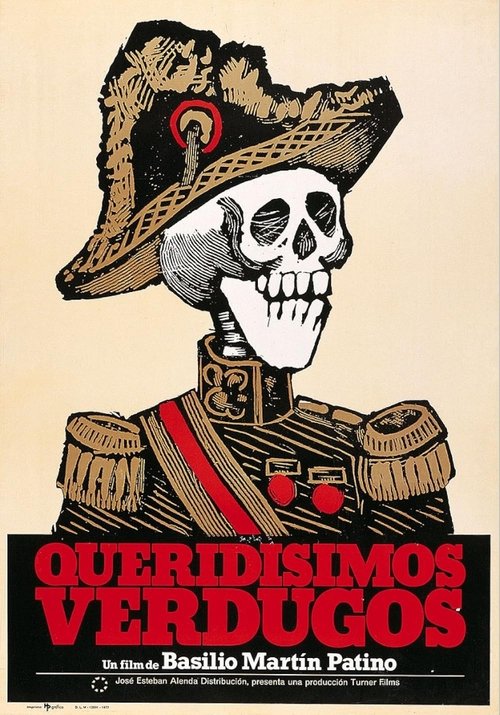
1977
No reviews yet. Be the first to share your thoughts on this movie!
Use the rating form above to leave a star rating and optional review.