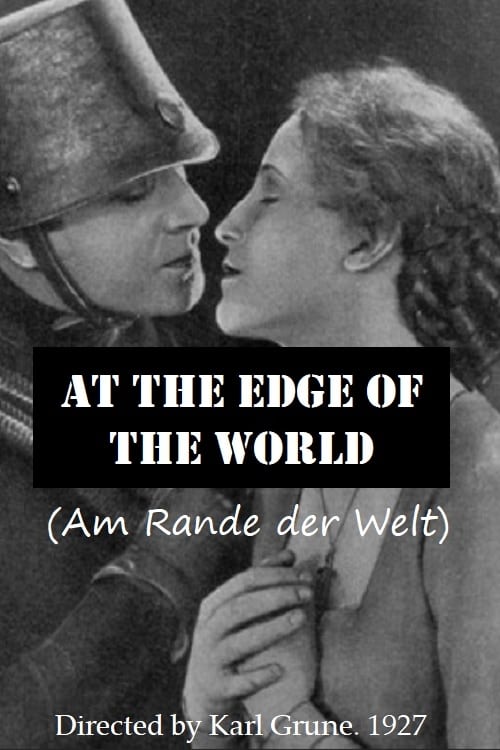
At the Edge of the World
1927
No user ratings available yet
Representation score: 4.0 out of 10
Representation Score
Minimal
1921
PassedDirector
Rex Ingram
Runtime
156 minutes
Average Rating
No ratings yetNew Showbiz Analysis
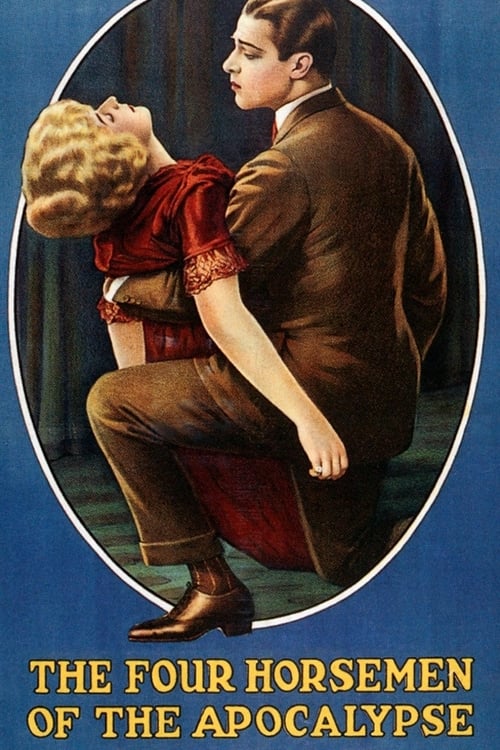
Rex Ingram's epic is a masterpiece of silent-era visual composition, yet it remains a product of its historical moment. The narrative structure relies on classical melodrama and traditional storytelling clichés rather than social critique. The film lacks engagement with underrepresented identities or the subversion of social hierarchies. It maintains a homogeneous view of the social groups involved, focusing on the devastation of war through a Eurocentric lens. Ultimately, the work reflects the demographic and social norms of the early 1920s, prioritizing romantic tragedy over the deconstruction of Western norms.
Category Breakdown
The film operates within strict straight-centered constraints. The narrative focuses entirely on traditional romantic pairings, offering no representation of diverse sexual orientations or gender identities.
A central female protagonist drives the emotional plot through her romantic choices. However, her role remains reactive, defined primarily by domestic suffering and masculine conflict.
The cast is predominantly white and Eurocentric, reflecting the film's focus on Argentine, French, and German families. No characters of color are shown in roles of ability to act.
The story portrays the Great War through a lens of romanticism and patriotic loss. It lacks critique of Western institutions, focusing instead on personal tragedy.
There are no discernible portrayals of physical, sensory, or neurodivergent disabilities. The narrative prioritizes large-scale warfare and interpersonal romantic drama.
Present on Screen
Limited or Absent
Official Synopsis
Set in the years before and during World War I, this epic tale tells the story of a rich Argentine family, one of its two descending branches being half of French heritage, the other being half German. Following the death of the family patriarch, the man's two daughters and their families resettle to France and Germany, respectively. In time the Great War breaks out, putting members of the family on opposing sides.
1927
1925
1928

1930
1925

1932

1962

1934
No reviews yet. Be the first to share your thoughts on this movie!
Use the rating form above to leave a star rating and optional review.