The Four Horsemen of the Apocalypse
1921
No user ratings available yet
Representation score: 0.6 out of 10
Representation Score
Limited
1927
Director
Karl Grune
Runtime
104 minutes
Average Rating
No ratings yetNew Showbiz Analysis
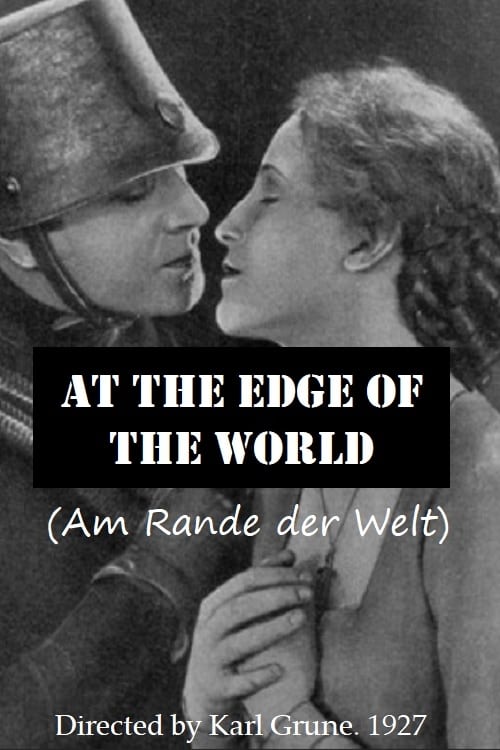
Karl Grune’s work delves into the fragility of humans and the pressures of the Weimar era. By portraying characters as victims of geopolitical shifts rather than empowered national heroes, the film provides a psychological critique of power. However, the film reflects the social norms of 1927, lacking modern markers of diversity. It remains largely homogeneous in its ethnic and sexual orientation depictions. Ultimately, the film’s strength lies in its deconstruction of traditional war clichés, emphasizing the vulnerability of individuals against institutional forces.
Category Breakdown
The film does not show any clear evidence of LGBTQ+ identities. It focuses on the interpersonal tensions within a small community in the context of 1927.
The narrative highlights the psychological impact of conflict on individuals. However, there is no clear evidence of women taking active roles through intellectual or physical strength.
The setting suggests a homogeneous ethnic makeup typical of 1927 Germany. There is no indication of diverse ethnic backgrounds or non-European identities.
The film examines how individuals become pawns in geopolitical struggles, highlighting the impact of systemic forces on personal lives.
There is no specific evidence showing characters with disabilities. The film does not provide clear examples of characters with disabilities having significant roles.
Present on Screen
Limited or Absent
Official Synopsis
A mill situated on the border between two unnamed countries and the residents therein become pawns in a future war.
1921

1932
1925
1958
1927
1965
1927
1928
No reviews yet. Be the first to share your thoughts on this movie!
Use the rating form above to leave a star rating and optional review.