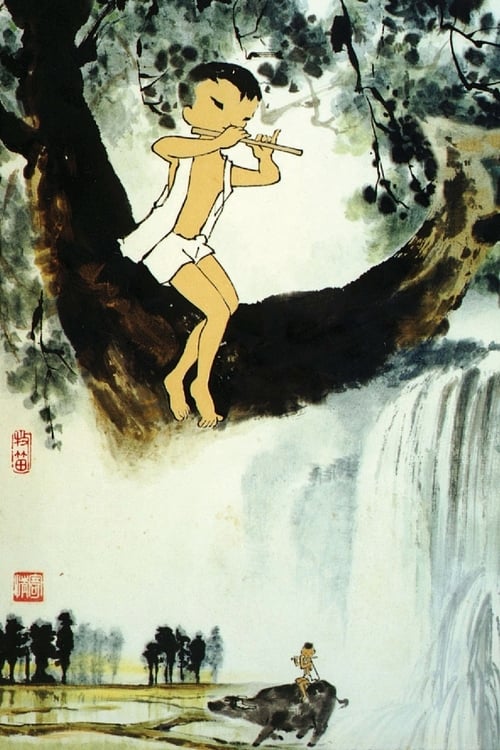
The Buffalo Boy and His Flute
1963
No user ratings available yet
Representation score: 3.9 out of 10

Representation Score
Limited
1988
Director
Te Wei, Ma Kexuan, Yan Shanchun
Runtime
19 minutes
Average Rating
No ratings yetNew Showbiz Analysis
Feeling from Mountain and Water is a landmark of cultural preservation that challenges the dominance of Western animation styles. By using a sophisticated ink-wash aesthetic, it centers a deeply rooted Chinese identity through a high-art lens. However, the film's focus on traditional moral and family structures limits its engagement with progressive social metrics. The narrative prioritizes classical archetypes and Confucian values over the deconstruction of social hierarchies. Ultimately, the work excels as a masterpiece of ethnic and aesthetic specificity, while remaining conservative in its representation of gender and identity.
Category Breakdown
The story focuses on traditional family bonds and mentor-student relationships. There are no representations of non-binary gender identities or same-sex relationships.
Characters follow classic gender roles and historical settings. The film emphasizes traditional mentorship and family ties rather than challenging gender norms.
The film uses a non-Western visual style through ink-wash aesthetics. It provides strong cultural representation by grounding character designs in specific Chinese ethnic and historical contexts.
The story celebrates traditional Confucian values and harmony with nature. It preserves classical morality and aesthetic traditions rather than offering a modern critique.
There are no prominent depictions of physical or cognitive disabilities used as central plot devices or character drivers.
Present on Screen
Limited or Absent
Official Synopsis
The story is about an impoverished elderly scholar and a young girl who cares for him briefly in return for guqin lessons.
1963
1992

1998
1991
1981

1981
2010
1974
No reviews yet. Be the first to share your thoughts on this movie!
Use the rating form above to leave a star rating and optional review.