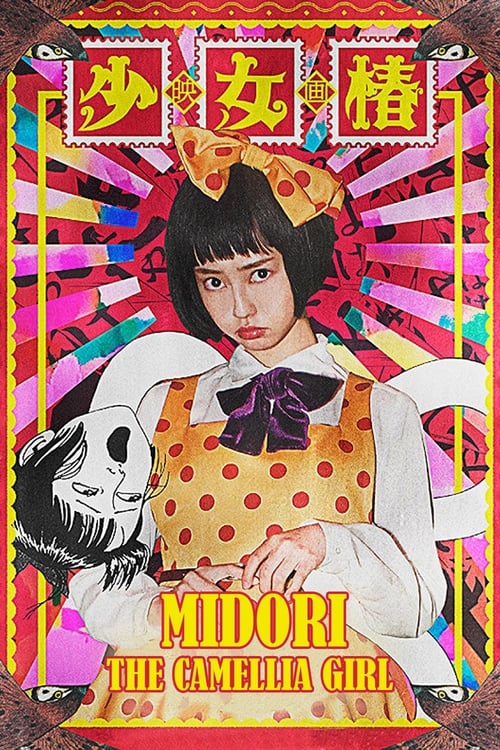
Midori: The Camellia Girl
2016
No user ratings available yet
Representation score: 5.8 out of 10
Representation Score
Good
1992
UnratedDirector
Hiroshi Harada
Runtime
55 minutes
Average Rating
No ratings yetNew Showbiz Analysis
Midori is a grim, avant-garde exploration of survival and systemic failure. It disrupts conventional, wholesome storytelling by focusing on themes of exploitation and the subversion of social stability. The film offers a non-Western perspective through its Japanese origins and critiques the morality of established power structures. It moves away from traditional institutional support in favor of individualistic hope. However, the work struggles with representation depth. The depiction of physical differences is ambiguous, and the narrative remains tied to traditional clichés of female vulnerability and systemic abuse.
Category Breakdown
The film's surreal and transgressive elements hint at non-traditional gender expressions. However, there is no clear evidence of non-straight relationships or same-sex intimacy.
Midori faces extreme oppression and loses physical control. While the magician offers a chance for change, the narrative still emphasizes female vulnerability.
As a Japanese production, the film provides a non-Western viewpoint. It moves away from Anglo-Saxon dominance, though it does not highlight a diverse cast.
The story criticizes the failures of traditional institutions and social hierarchies. It prioritizes individualistic or mystical ability to act over the stability of established power structures.
A magician of short stature is introduced, highlighting a physical difference. It remains unclear if this character has true ability to act or serves merely as a narrative device.
Present on Screen
Limited or Absent
Official Synopsis
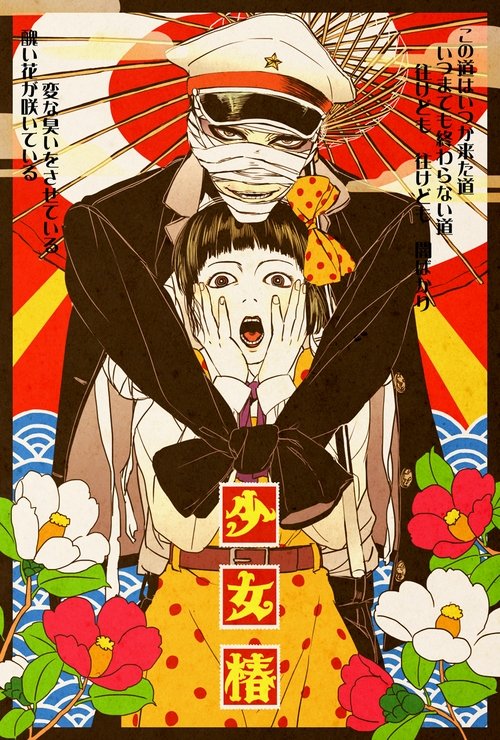
After losing her parents, young flower selling Midori is put up by a fairground group. She is abused and forced to slavery, until the arrival of an enigmatic magician of short stature, who gives her hope for a better future.
2016

1973
2020
1985
1986
1980
1977
2011
No reviews yet. Be the first to share your thoughts on this movie!
Use the rating form above to leave a star rating and optional review.