
Monkeys Catch the Moon
1981
No user ratings available yet
Representation score: 5.7 out of 10
Representation Score
Limited
1981
Director
A Da
Runtime
20 minutes
Average Rating
No ratings yetNew Showbiz Analysis
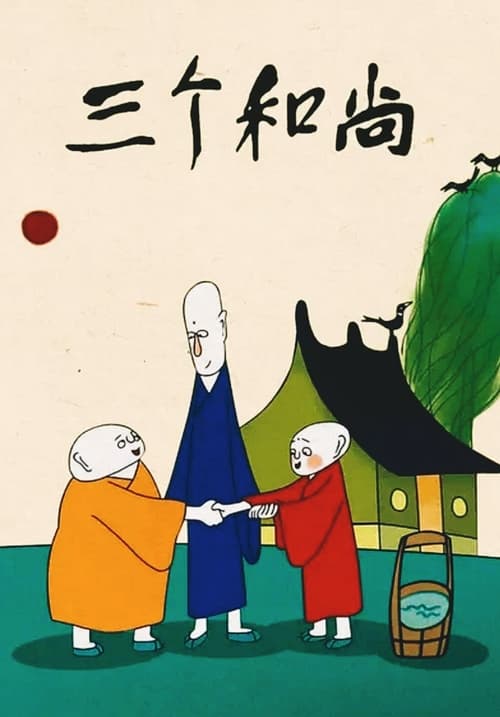
Three Monks serves as a cultural artifact preserving Chinese folklore. It provides a valuable non-Western perspective through traditional storytelling and a specific ethnic heritage. However, the film lacks modern complexity, focusing on a male-dominated setting and following established social hierarchies without subversion or diverse character's ability to drive the story. Ultimately, the work functions as a moral parable rather than a progressive exploration of identity, prioritizing the preservation of a classic proverb over contemporary representation.
Category Breakdown
The film does not depict any non-binary gender identities or same-sex relationships. It sticks closely to the traditional storyline without exploring alternative sexualities or genders.
The story focuses on a male-dominated monastic environment. Female characters are entirely absent, and the film does not attempt to challenge traditional gender roles.
The film showcases Chinese cultural heritage through a homogeneous ethnic cast. It offers a non-Western perspective by using traditional storytelling methods.
The film adheres to classic moral frameworks and traditional proverbs. It reinforces social lessons without challenging religious or monastic structures.
There are no characters with visible or invisible disabilities in the film. The thematic focus remains on communal responsibility.
Present on Screen
Limited or Absent
Official Synopsis
Adaptation of the Chinese folk tale that gave rise to the proverb “One monk will shoulder two buckets of water, two monks will share the load, but add a third and no one will want to fetch water”.
1981
1998
1959
1956

1924

1988
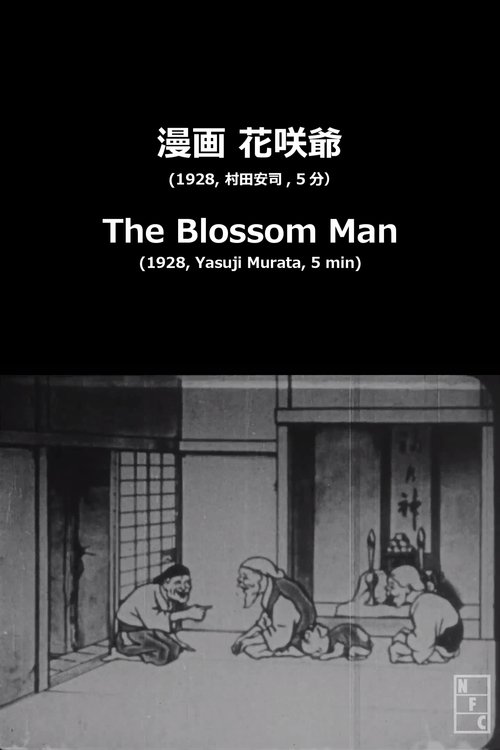
1928

1975
No reviews yet. Be the first to share your thoughts on this movie!
Use the rating form above to leave a star rating and optional review.