Pleasant Goat and Big Big Wolf 2
2010
No user ratings available yet
Representation score: 1.8 out of 10
Representation Score
Minimal
2010
Director
Po Chou Chi
Runtime
8 minutes
Average Rating
No ratings yetNew Showbiz Analysis
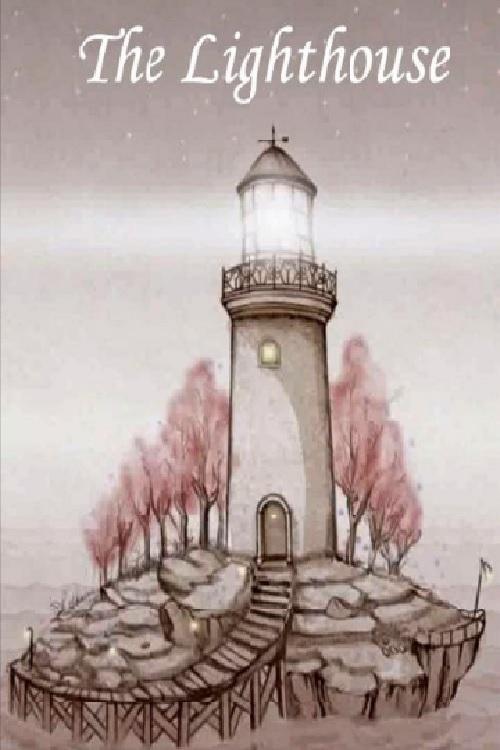
The Lighthouse is a character-driven animation that emphasizes domestic stability and the emotional continuity of a father-son relationship. It presents a traditionalist view of familial bonds and the passage of time, centered around shared rituals like playing the piano. Since the narrative focuses heavily on a singular, male-centric family structure, it lacks the breadth needed for high diversity scores. The film reinforces conventional views of generational continuity without exploring diverse social hierarchies or challenging social norms. Ultimately, the work is a quiet, intimate piece that values emotional stability and tradition over subversive or diverse social commentary.
Category Breakdown
The film centers on a father-son relationship, assuming both characters are straight and cisgender. There are no representations of LGBTQ+ identities or perspectives.
The story focuses on male figures, emphasizing the bond between father and son. While it avoids negative stereotypes, the absence of female characters leads to a neutral portrayal.
The narrative does not specify the racial or ethnic backgrounds of the characters. Therefore, there are no clear markers of ethnic diversity.
The film highlights traditional values and the importance of the family unit. It portrays filial piety and the continuity of tradition positively.
There is no mention of neurodivergence, physical disabilities, or mental health conditions among the characters. The focus remains on domestic and generational themes.
Present on Screen
Limited or Absent
Official Synopsis
Father, son, the lighthouse as the center of their lives. Both grow up, the son leaving every day to pursue his studies, then returning to an increasingly elderly father who welcomes him with the same warmth, taking him, as he has always done over the years, to the piano to play together.
2010
2010
2010
2006
2014
1998
2012
2010
No reviews yet. Be the first to share your thoughts on this movie!
Use the rating form above to leave a star rating and optional review.