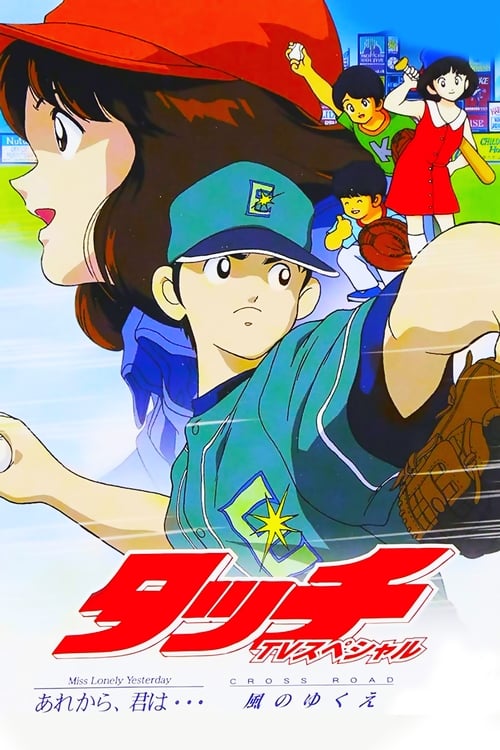
Touch: Cross Road
2001
No user ratings available yet
Diversity score: 4.8 out of 10
1998
Director
Gisaburō Sugii
Runtime
93 minutes
Average Rating
No ratings yetOverall Score
Fair
Category Breakdown
LGBTQ+ Representation
The film lacks explicit confirmation of non-heteronormative identities or same-sex intimacy. The plot centers on romantic tension between established leads and new characters like Kaori.
Gender Representation
Minami’s transition into college life suggests a move away from the supportive female trope. The introduction of Kaori as a catalyst for change highlights female agency within the plot.
Racial & Ethnic Diversity
The story operates within a homogeneous Japanese collegiate context. There is no explicit evidence of intersectional racial or ethnic blending within this localized social framework.
Religious & Cultural Diversity
The narrative explores the deconstruction of social expectations, such as Tatsuya abandoning baseball. It favors a nuanced, less idealistic portrayal of adult decision-making and life milestones.
Disability Representation
There is no evidence of characters with visible or invisible disabilities within the narrative.
Strengths
Areas for Improvement
AI Analysis
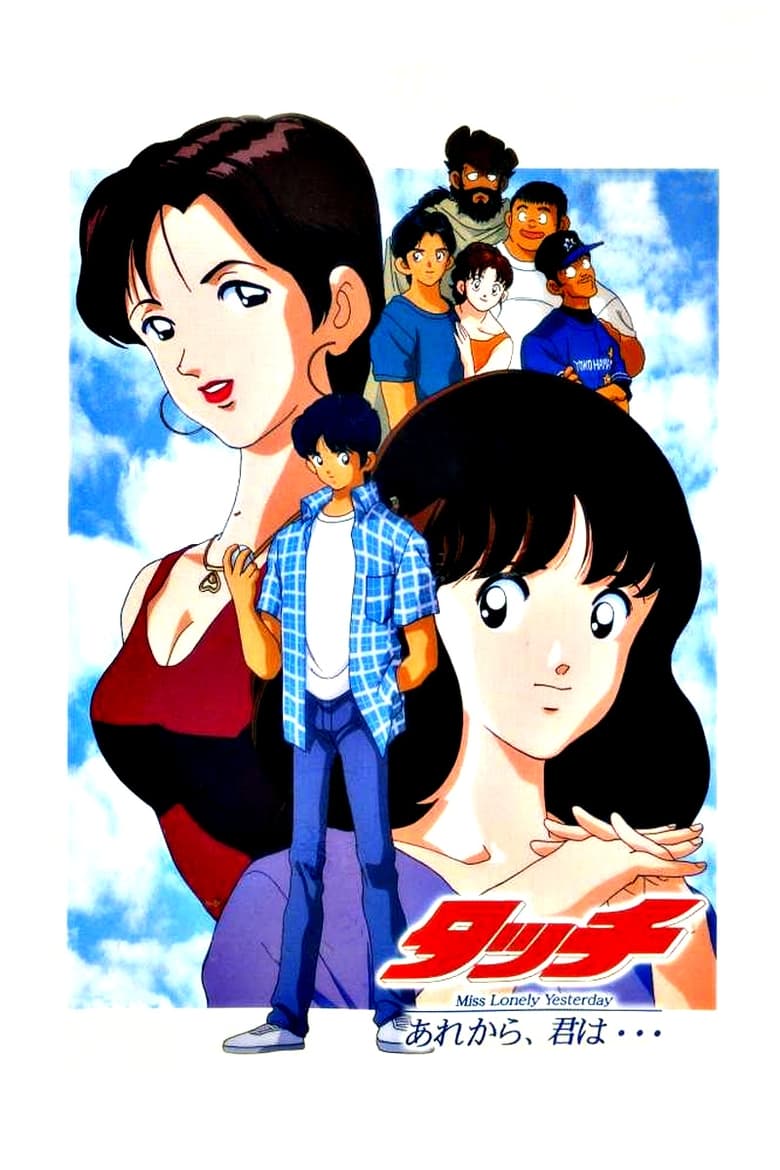
Touch 4: Miss Lonely Yesterday shifts from adolescent sports tropes toward a psychological study of young adulthood. It gains merit by deconstructing traditional masculine achievements and providing female characters with more agency than typical sports anime. However, the film remains limited by its homogeneous cultural setting and a lack of visible LGBTQ+ representation. The narrative focus stays tightly bound to heteronormative romantic tensions and localized social dynamics. Ultimately, the film succeeds as a character study of instability and maturity, even if it lacks broad intersectional diversity.
2001

1989
1994
2013
2006
1985
1996
2008

1995

2013

1974
1985
No reviews yet. Be the first to share your thoughts on this movie!
Use the rating form above to leave a star rating and optional review.