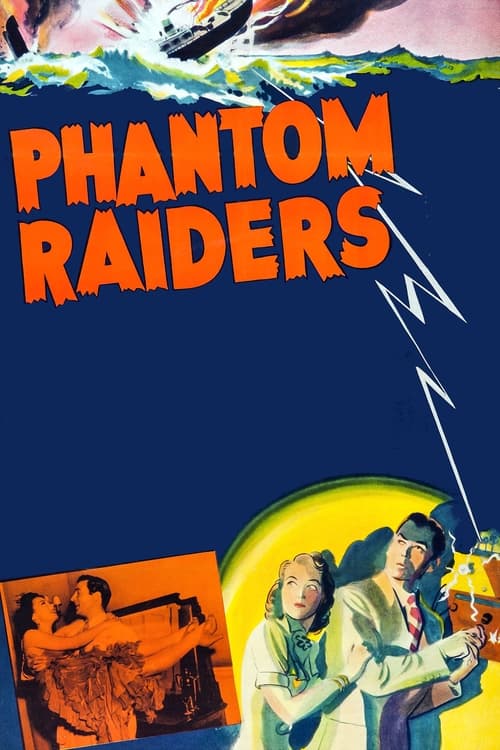
Phantom Raiders
1940
No user ratings available yet
Representation score: 0.7 out of 10

Representation Score
Minimal
1938
ApprovedDirector
William Clemens
Runtime
59 minutes
Average Rating
No ratings yetNew Showbiz Analysis
Torchy Blane in Panama presents a fascinating contrast to its time period. By placing a professional woman at the center of the story, the film challenges traditional gender roles and empowers its female protagonist. However, this progressiveness is constrained by the era's limitations, particularly in terms of racial and cultural representation. While the film pushes boundaries in terms of gender, it remains rooted in the narrow social norms of 1938 Hollywood, lacking diversity in its cast and settings.
Category Breakdown
The film does not include any LGBTQ+ characters or those with non-conforming gender identities. Romantic relationships are strictly heterosexual.
Torchy Blane challenges 1930s stereotypes by portraying a highly capable, career-focused female journalist. She often outshines her male colleagues, playing a key role in driving the plot forward.
The cast is primarily white and uniform. Despite being set in Panama, the film does not explore diverse ethnic backgrounds or include non-Anglo-Saxon characters.
The narrative upholds the social norms of 1930s middle-class professionals. It does not engage with anti-Western or secular themes, focusing instead on typical commercial narratives.
There are no characters with visible or invisible disabilities. Disability is not used as a narrative device in this production.
Present on Screen
Limited or Absent
Official Synopsis
Torchy, Steve, and Gahagan are on the trail of a bank robber aboard an ocean liner traveling from New York to L.A. via the Panama Canal.
1940
1936
1937
1941

1940
1934
1941
1939
No reviews yet. Be the first to share your thoughts on this movie!
Use the rating form above to leave a star rating and optional review.