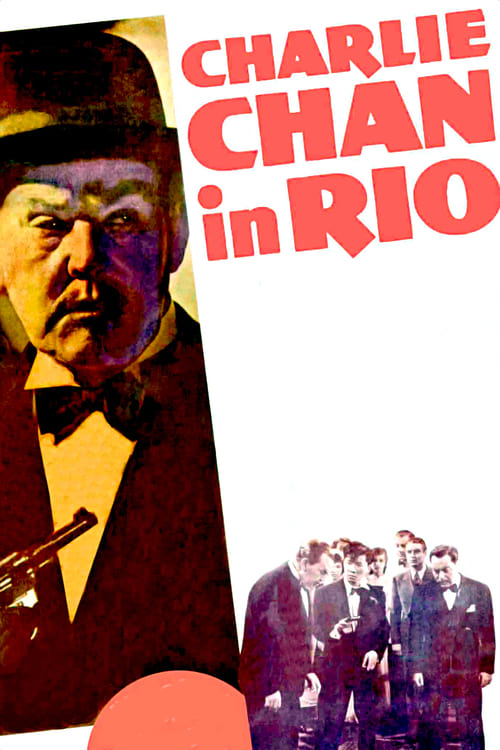
Charlie Chan in Rio
1941
No user ratings available yet
Representation score: 1.7 out of 10

Representation Score
Minimal
1940
ApprovedDirector
Eugene Forde
Runtime
77 minutes
Average Rating
No ratings yetNew Showbiz Analysis
Charlie Chan's Murder Cruise reflects the social structures of 1940s cinema. It challenges some racial stereotypes by featuring an Asian-American detective in a position of intellectual authority. However, the film maintains rigid gender roles and social hierarchies. Women are limited to supporting roles, and there is no representation of LGBTQ+ or disabled individuals. The narrative focuses on preserving traditional Western socioeconomic stability and moral frameworks, which limits its broader diversity impact.
Category Breakdown
The film does not include any identifiable LGBTQ+ characters or queer relationships. It follows the assumption that everyone is straight or cisgender.
Women in the film are mainly portrayed in supporting roles as victims or love interests. The main investigator and intellectual lead are played by the male protagonist.
Charlie Chan stands out as a person of color with significant influence, serving as an intellectual leader. However, the rest of the cast remains predominantly white.
The story upholds traditional Western social structures and emphasizes upper-class stability. It follows the conventions that assume everyone is straight or cisgender.
The film does not feature any characters with visible or invisible disabilities. There is no engagement with neurodivergence or physical impairments.
Present on Screen
Limited or Absent
Official Synopsis
On a cruise ship from Honolulu to San Francisco, the famous Chinese detective encounters four more murders while trying to figure out the murder of a Scotland Yard friend.
1941
1944
1944
1964
1942
1941
1937
1978
No reviews yet. Be the first to share your thoughts on this movie!
Use the rating form above to leave a star rating and optional review.