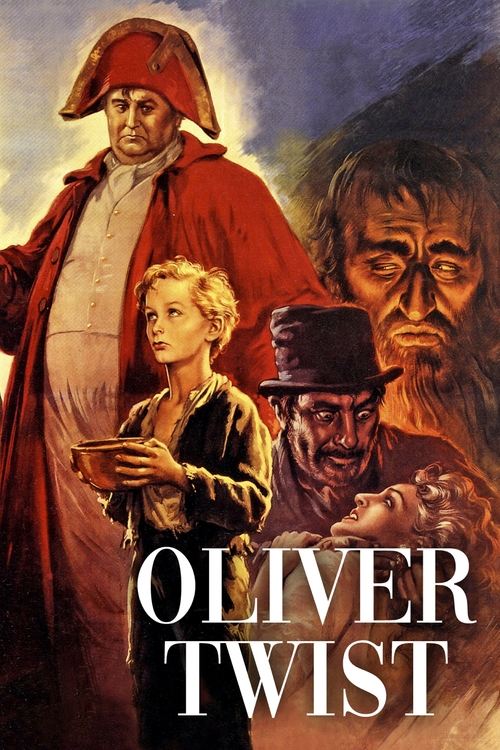
Oliver Twist
1948
No user ratings available yet
Representation score: 3.5 out of 10
Representation Score
Limited
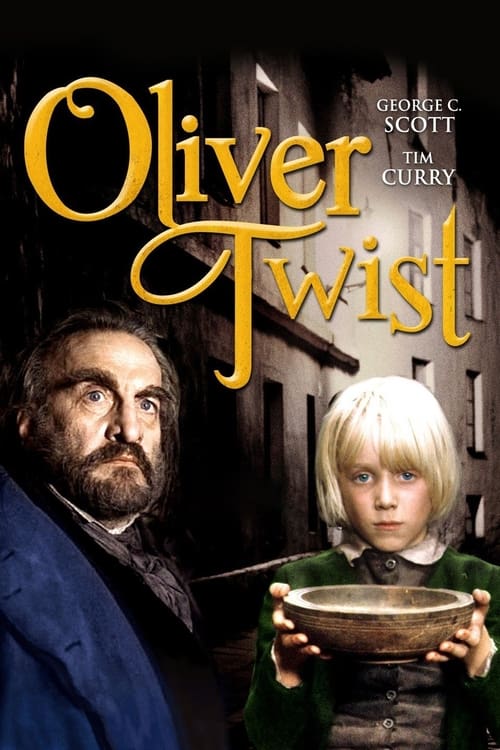
1982
Director
Clive Donner
Runtime
103 minutes
Average Rating
No ratings yetNew Showbiz Analysis
Clive Donner’s adaptation emphasizes historical and literary accuracy, focusing on a homogeneous, white, and male-dominated society typical of both the Victorian era and 1982 filmmaking. While it lacks diverse representations, the film offers a critical perspective on institutional failures and socioeconomic conditions. By highlighting the impact of poverty and institutional neglect, it underscores the roots of criminal behavior.
Category Breakdown
The film does not include any depictions of LGBTQ+ identities or non-assuming gender matches what was assigned at birth gender expressions.
The story focuses on male-led criminal activities and hierarchical power structures. Female characters such as Nancy play supporting roles within a male-dominated world.
The cast is mostly white and Anglo-Saxon, reflecting a uniform demographic consistent with the Victorian period.
The film criticizes institutional structures by showing how workhouses and religious institutions contribute to neglect and poverty. Criminal behavior is portrayed as a result of systemic failures.
Disabilities are shown incidentally, linked to themes of malnutrition and hardship. The film does not emphasize specific disabilities or neurodivergence as key factors.
Present on Screen
Limited or Absent
Official Synopsis
An orphan endures a harsh life in a workhouse before fleeing to London, where he falls in with a gang of juvenile pickpockets led by the criminal Fagin, and eventually finds a better life, exposing the cruelties of poverty and child labor in Victorian England.
1948

1988
1933
1980

1922
1968
1980
2005
No reviews yet. Be the first to share your thoughts on this movie!
Use the rating form above to leave a star rating and optional review.