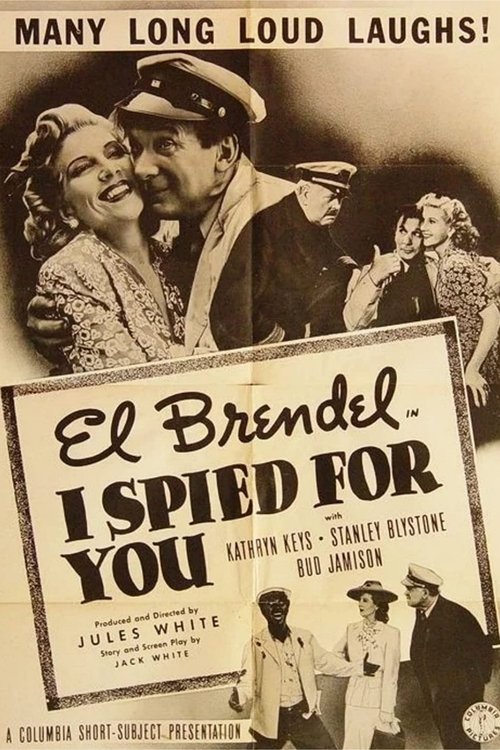
I Spied for You
1943
No user ratings available yet
Representation score: 1.7 out of 10
No Poster Available
Representation Score
Minimal
1941
ApprovedDirector
Jules White
Runtime
18 minutes
Average Rating
No ratings yetNew Showbiz Analysis
Released in 1941, this wartime comedy is built upon the nationalist and patriotic sentiments of its era. The slapstick genre and defense plant setting prioritize physical humor and traditional hero archetypes over nuanced social representation. The film functions as a tool for wartime cohesion, utilizing 'othering' to establish a clear distinction between the American protagonist and Nazi saboteurs. This structure reinforces existing social hierarchies and a singular Western perspective. Ultimately, the work lacks depth in representing various aspects of identity, focusing instead on the geopolitical tensions and cultural imperatives of the early 1940s.
Category Breakdown
The film does not include any LGBTQ+ characters or non-cisgender identities. It follows the strict gender and orientation norms typical of 1941 slapstick comedy.
The narrative likely centers on male characters within a defense plant setting. Female roles seem to be limited to secondary or domestic archetypes, reinforcing traditional hierarchies.
The film reflects the homogeneous casting standards of early 1940s Hollywood. It uses a Western-centric perspective to define the protagonist against foreign antagonists.
The story promotes singular nationalistic ideals through traditional American iconography. It reinforces Western institutions and wartime mobilization rather than presenting moral relativism.
There is no evidence of characters with visible or invisible disabilities. The plot focuses on the conflict between a civilian worker and saboteurs.
Present on Screen
Limited or Absent
Official Synopsis
Andy, who works in a defense plant, stumbles upon a gang of Nazi saboteurs.
1943
1956
1943
1946
1943
1942
1941
1941
No reviews yet. Be the first to share your thoughts on this movie!
Use the rating form above to leave a star rating and optional review.