Yankee Doodle Andy
1941
No user ratings available yet
Representation score: 0.5 out of 10
Representation Score
Minimal
1943
ApprovedDirector
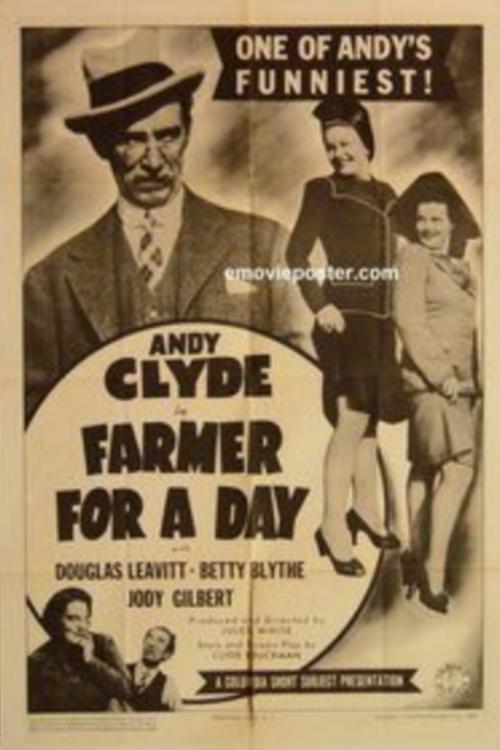
Jules White
Runtime
17 minutes
Average Rating
No ratings yetNew Showbiz Analysis
Farmer for a Day is a wartime comedy that serves as a piece of mainstream, patriotic entertainment. Its narrative structure is shaped by the socio-political needs of 1943, focusing on domestic contributions to the war effort through the concept of a victory garden. The film lacks complexity or systemic critique. Instead, it relies on traditional themes of national service and the comedic archetypes common to the Jules White and Columbia Pictures era. Overall, the production reflects the homogeneous social and casting norms of its time, prioritizing broad, populist entertainment over diverse or subversive storytelling.
Category Breakdown
The film does not include any characters with non-straight identities. It adheres to the standard heterosexual social structures typical of 1943.
The narrative likely centers on male protagonists performing tasks to support the state. It reflects the traditional gender roles common in wartime comedies of this era.
The film likely reflects the homogeneous casting norms of 1943 American studio productions. There is no indication of diverse ensemble structures or race-bent casting.
The premise focuses on planting a victory garden to support the war effort. This reinforces traditional patriotism and Western values of civic duty during wartime.
There is no information regarding characters with physical or neurodivergent disabilities. The provided context offers no data on disability representation.
Present on Screen
Limited or Absent
Official Synopsis
Andy tries to do his bit for the war effort by planting a victory garden.
1941
1944
1941
1943
1943
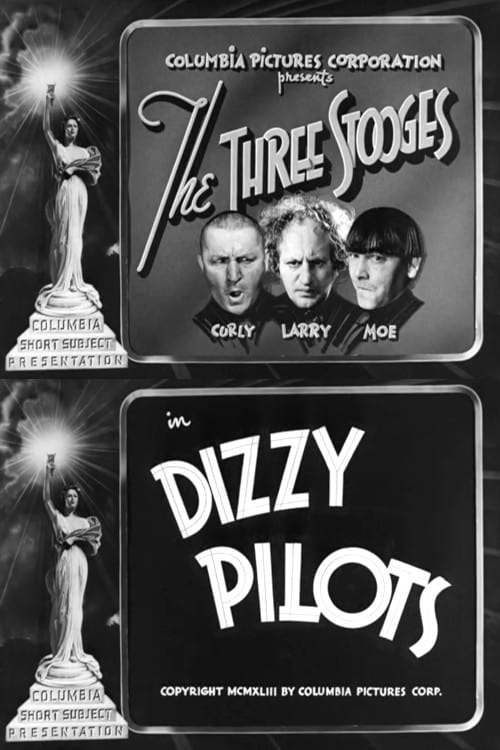
1943
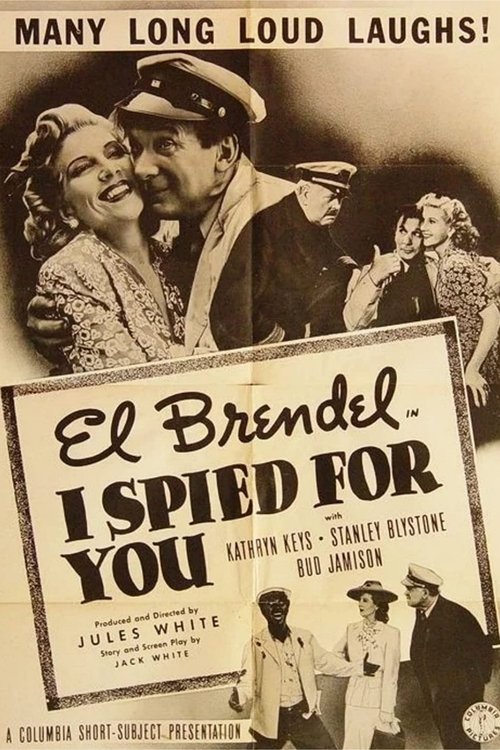
1943
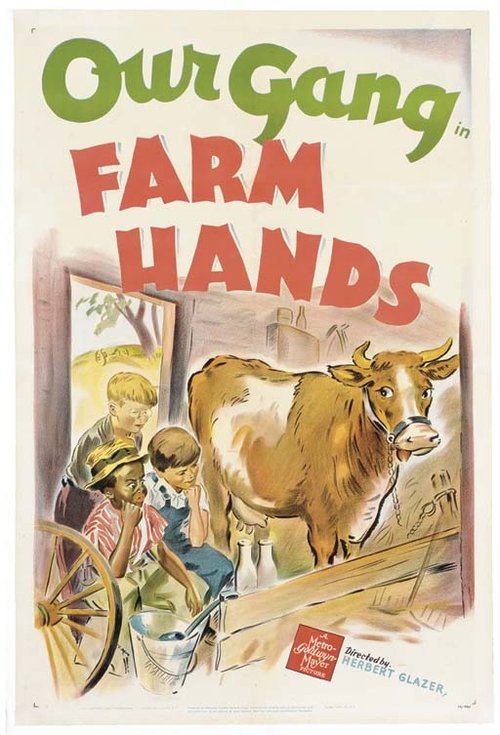
1943
No reviews yet. Be the first to share your thoughts on this movie!
Use the rating form above to leave a star rating and optional review.