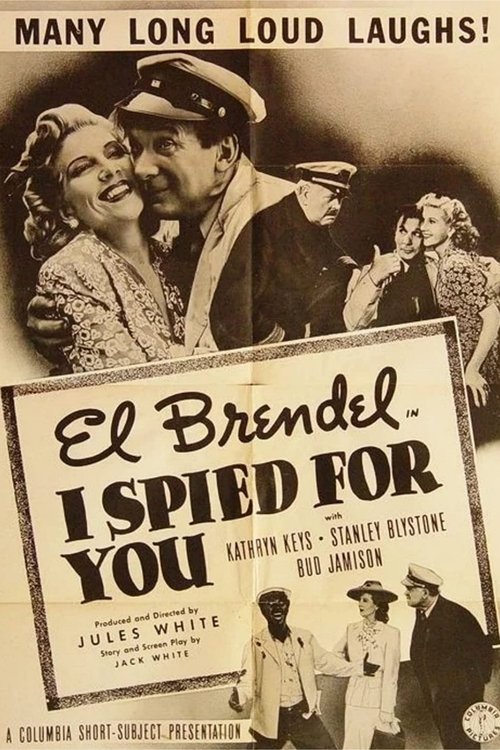
I Spied for You
1943
No user ratings available yet
Representation score: 1.7 out of 10
Representation Score
Minimal
1943
ApprovedDirector
Jules White
Runtime
18 minutes
Average Rating
No ratings yetNew Showbiz Analysis
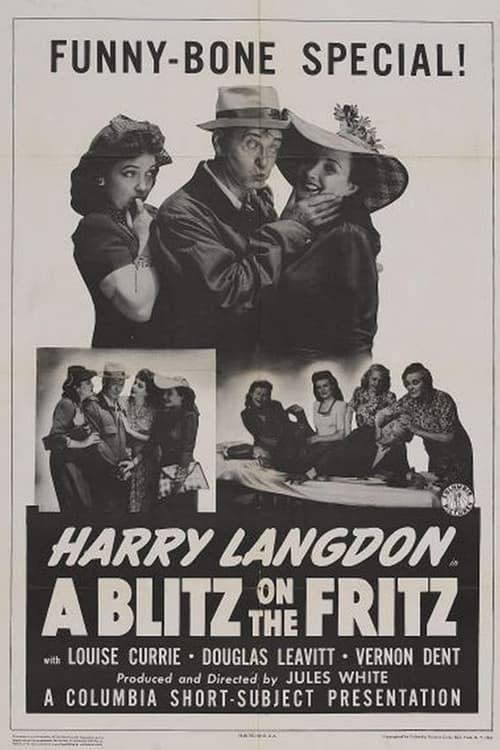
A Blitz on the Fritz is a wartime comedy that primarily serves as patriotic entertainment. Its narrative structure reinforces existing social hierarchies and nationalistic cohesion rather than challenging them. The film relies on slapstick comedy, focusing on a protagonist's encounters with Nazi spies. This approach prioritizes wartime propaganda and moral clarity over diverse storytelling or social commentary. Overall, the production reflects the era's social constraints and production standards, resulting in a homogeneous depiction of the home front.
Category Breakdown
The film does not include any LGBTQ+ characters or non-cisgender identities. There is no exploration of queer themes or identities.
The story focuses on a male protagonist, Harry, performing patriotic duties. This reinforces traditional masculine roles and leadership typical of the era.
The narrative appears centered on Anglo-American patriotism during a specific geopolitical conflict. There is no indication of a diverse or non-white cast.
The film promotes traditional Western values such as civic duty and patriotism. It uses a clear moral distinction between citizens and enemies to bolster nationalistic sentiment.
There is no information regarding the inclusion or portrayal of characters with physical or neurodivergent disabilities.
Present on Screen
Limited or Absent
Official Synopsis
Harry is a patriotic citizen who starts a scrap drive but he soon encounters a group of Nazi spies and their hideout.
1943
1956
1941
1942
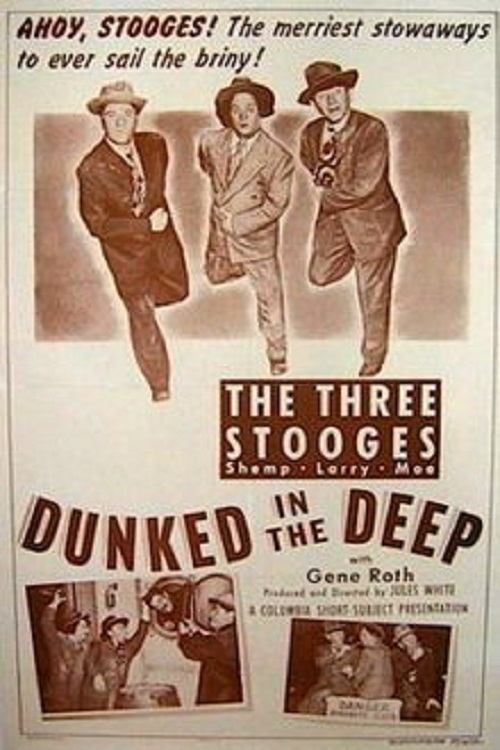
1949
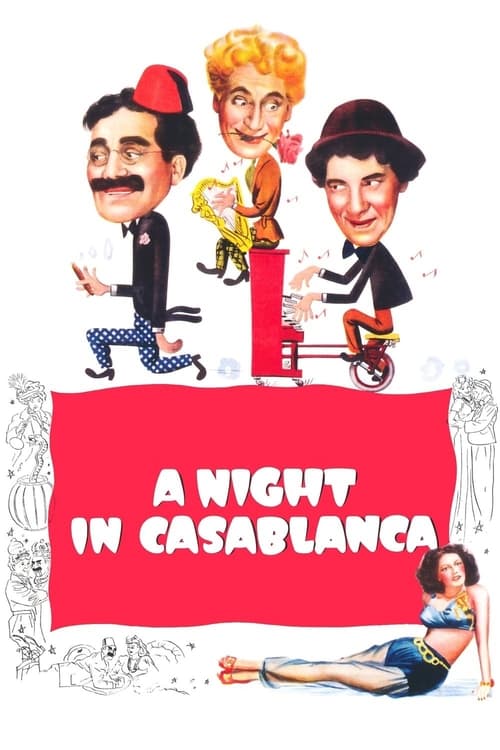
1946
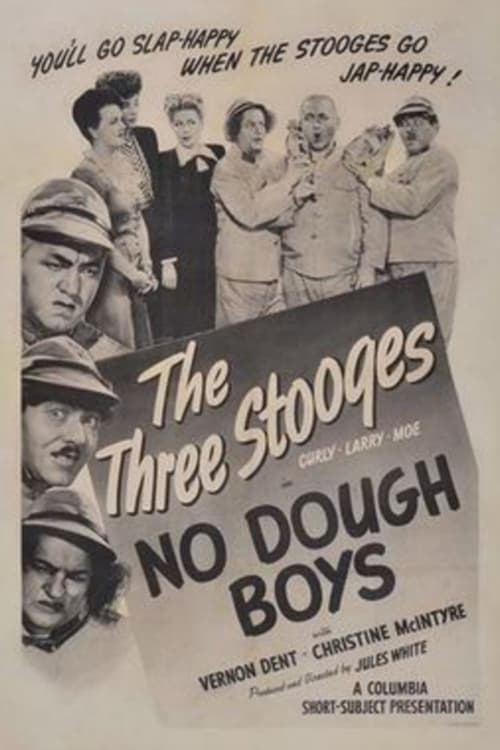
1944
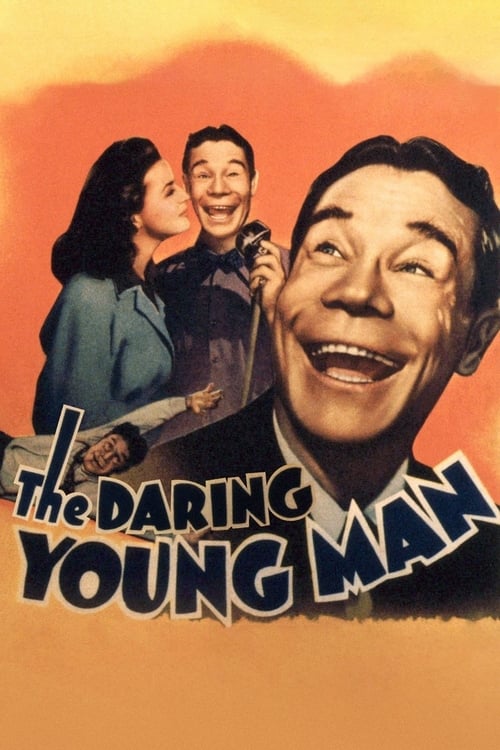
1942
No reviews yet. Be the first to share your thoughts on this movie!
Use the rating form above to leave a star rating and optional review.