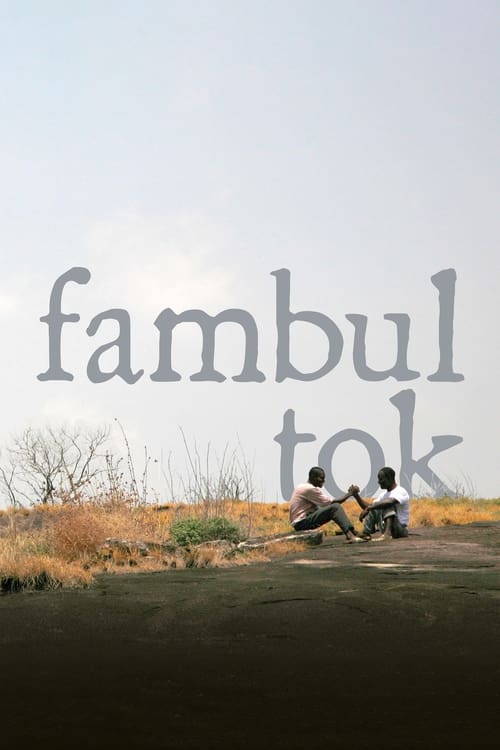
Fambul Tok
2011
No user ratings available yet
Diversity score: 8.1 out of 10
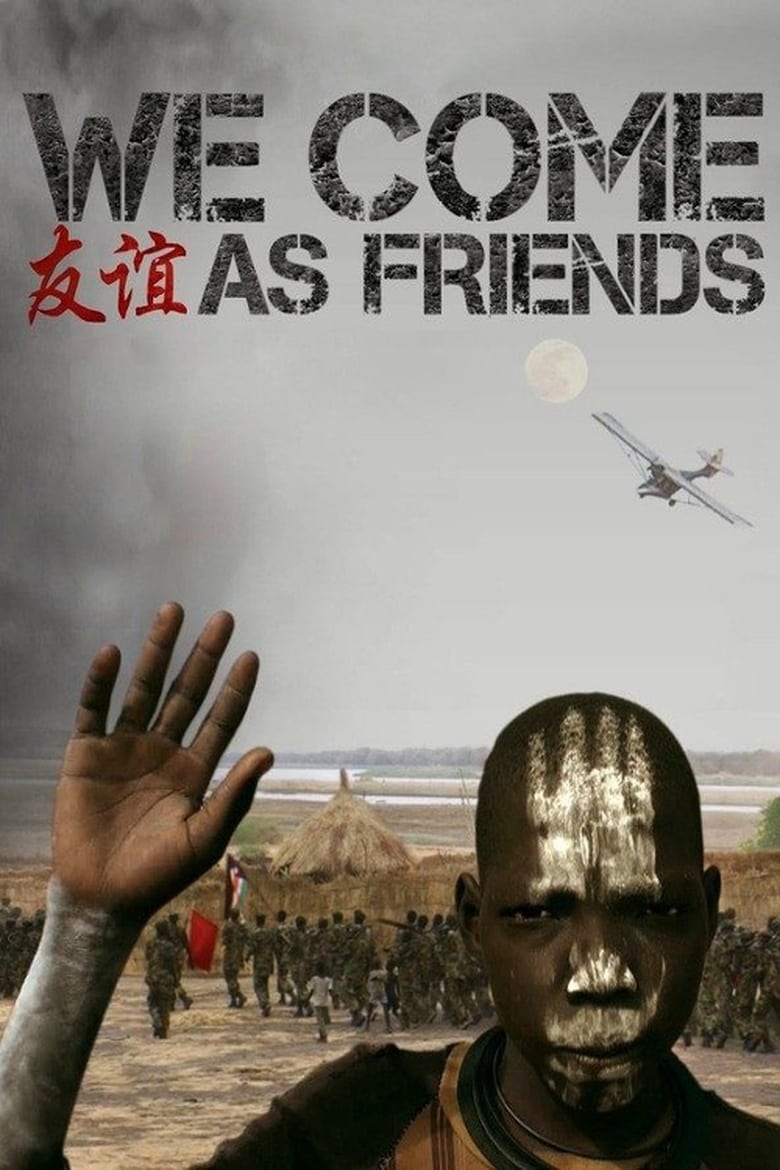
2014
Director
Hubert Sauper
Runtime
110 minutes
Average Rating
No ratings yetSynopsis
As war-ravaged South Sudan claims independence from North Sudan and its brutal President, Omar al-Bashir, a tiny, homemade prop plane wings in from France. It is piloted by eagle-eyed documentarian Hubert Sauper, who is mining for stories in a land trapped in the past but careening toward an apocalyptic future.
Overall Score
Good
Category Breakdown
LGBTQ+ Representation
The film lacks identifiable LGBTQ+ characters or narratives. The storytelling focuses exclusively on the immediate socio-political and survivalist realities of the region.
Gender Representation
Women are depicted navigating and maintaining agency within a collapsed social structure rather than as passive victims. The film also highlights the precariousness of traditional male roles.
Racial & Ethnic Diversity
The narrative excels by utilizing an almost exclusively Ugandan cast. This approach avoids the white savior trope and centers the agency of local ethnic groups.
Religious & Cultural Diversity
The film offers a sophisticated critique of Western institutions and the humanitarian industry. It portrays Western-led interventions as systemic forces that contribute to regional volatility.
Disability Representation
While the film depicts physical and psychological scars from war, no specific characters have narrative arcs defined by disability or neurodivergence.
Strengths
Areas for Improvement
AI Analysis
Hubert Sauper’s documentary provides a powerful deconstruction of the post-colonial landscape in Northern Uganda. It succeeds by rejecting the traditional humanitarian gaze, instead centering the lived realities of local populations caught between conflict and globalized commerce. The film's greatest strength lies in its refusal to center Western perspectives. By prioritizing an authentic, non-Anglo-centric view, it avoids common tropes and offers a rare, unmediated look at the complexities of the region. However, the film lacks representation for LGBTQ+ identities and does not feature characters whose primary arcs are defined by disability. While it captures the scars of war, these elements remain outside the narrative focus.
2011
2016
2019
2015

2014
2015
2009

1996
2015
2008
2007
2016
No reviews yet. Be the first to share your thoughts on this movie!
Use the rating form above to leave a star rating and optional review.