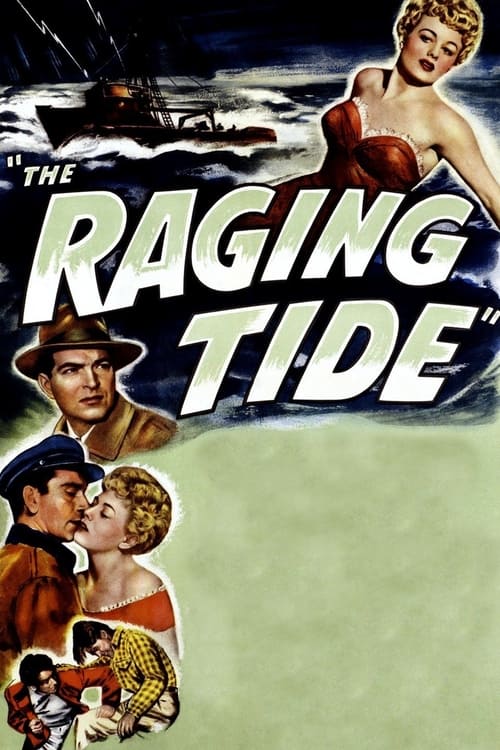
The Raging Tide
1951
No user ratings available yet
Diversity score: 2.3 out of 10
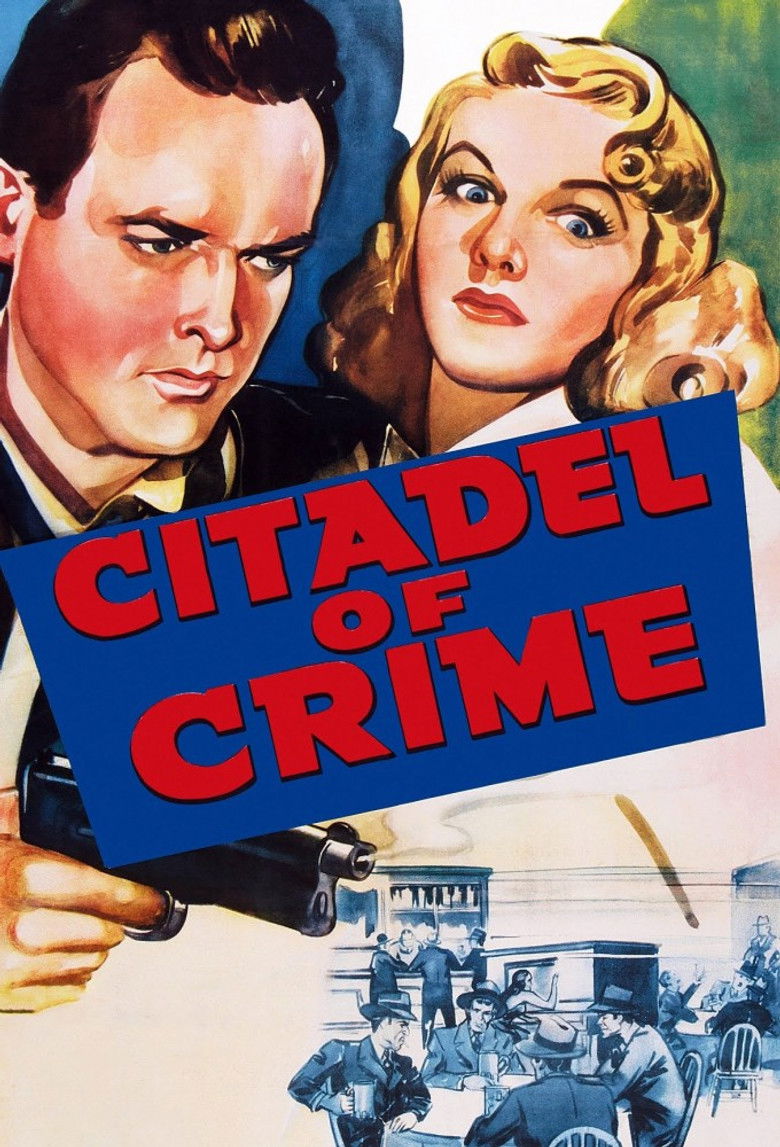
1941
ApprovedDirector
George Sherman
Runtime
58 minutes
Average Rating
No ratings yetSynopsis
A gang of mobsters try to take over the various moonshine operations in the hills of West Virginia.
Overall Score
Limited
Category Breakdown
LGBTQ+ Representation
The film lacks any evidence of non-heteronormative identities. It appears to adhere to the standard heteronormative social frameworks typical of 1941 cinema.
Gender Representation
The narrative focuses on male-dominated hierarchies and physical agency. There is no indication of female characters driving the plot or subverting traditional gender roles.
Racial & Ethnic Diversity
The setting and subject matter suggest a focus on a homogeneous demographic. No non-Anglo-Saxon majority cast or race-bent casting is present.
Religious & Cultural Diversity
The story operates within a traditional framework of law versus criminality. It reinforces social stability rather than offering a systemic critique of institutions.
Disability Representation
There is no evidence of characters with visible or invisible disabilities being portrayed with agency or as central to the story.
Strengths
Areas for Improvement
AI Analysis
Citadel of Crime is a conventional 1941 crime drama that prioritizes genre tropes over social complexity. The plot centers on a power struggle between mobsters and moonshine operations in West Virginia, a narrative structure that favors traditional conflict over diverse representation. The film reflects the era's cinematic constraints, focusing on localized criminal hierarchies. It lacks intentional efforts to disrupt social norms or include intersectional perspectives, functioning instead as a standard period piece. Ultimately, the production adheres to the studio system's preference for clear moral dichotomies and traditional demographic portrayals.
1951
1959
1940

1951

1932

1929

2012
1936
1941
1941
1943
1937
No reviews yet. Be the first to share your thoughts on this movie!
Use the rating form above to leave a star rating and optional review.