
Blackmail
1939
No user ratings available yet
Representation score: 0.4 out of 10
Representation Score
Minimal
1951
NRDirector
George Sherman
Runtime
93 minutes
Average Rating
No ratings yetNew Showbiz Analysis
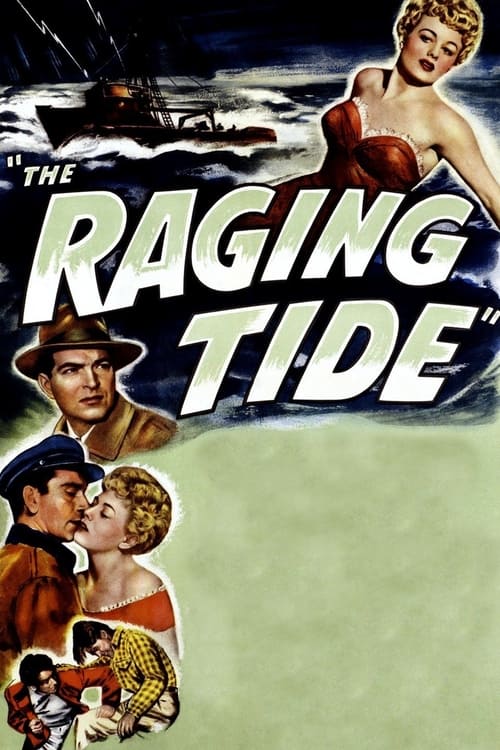
The Raging Tide is a conventional mid-century crime thriller that adheres strictly to the social and demographic norms of 1951. The plot is driven by male-centric conflict, ranging from criminal alibi schemes to survival at sea. Character roles reinforce traditional hierarchies, with leadership positions held by men and female characters serving as romantic motivators. The setting lacks evidence of racial or ethnic diversity, presenting a homogeneous worldview. Ultimately, the film offers minimal disruption to the established cultural paradigms of its era, focusing on genre-standard storytelling rather than social representation.
Category Breakdown
The film focuses on a crime-driven plot centered on male rivalry and heterosexual romance. There is no evidence of non-straight identities or narratives that challenge the assumption that everyone is straight or cisgender.
The story centers on male-driven conflict and leadership roles. Connie serves as a romantic interest but primarily functions as a catalyst for male interactions rather than an independent agent.
The narrative depicts a localized San Francisco setting and a fishing vessel. There is no mention of a multi-ethnic cast or the integration of diverse racial identities.
The film follows conventional legal and social standards of the period. It utilizes traditional crime clichés without critiquing Western institutions or religious structures.
The narrative contains no information regarding characters with visible or invisible disabilities.
Present on Screen
Limited or Absent
Official Synopsis
A San Francisco hood is rubbed out by rival Bruno Felkin, who himself reports the crime to Homicide Lt. Kelsey in an alibi scheme which fails. To escape, he stows away on a fishing boat. At sea, skipper Hamil Linder receives Bruno kindly, teaching him fishing; Bruno enlists Hamil's wayward son Carl to tend his slot machines. Then Carl takes an interest in Bruno's girl Connie. Climax in a storm at sea.
1939
1949
1951
1948
1958

1954
1953
1957
No reviews yet. Be the first to share your thoughts on this movie!
Use the rating form above to leave a star rating and optional review.