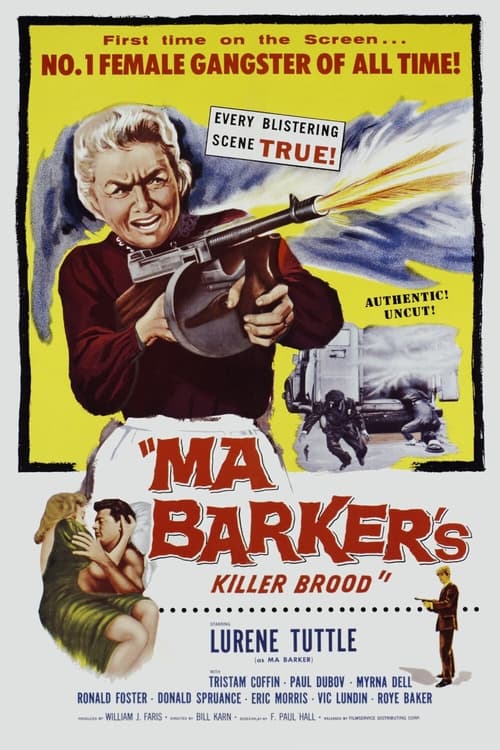
Ma Barker's Killer Brood
1960
No user ratings available yet
Representation score: 2.5 out of 10
Representation Score
Limited
2012
TV-14Director
Gary Crask, Brain Crask
Runtime
110 minutes
Average Rating
No ratings yetNew Showbiz Analysis
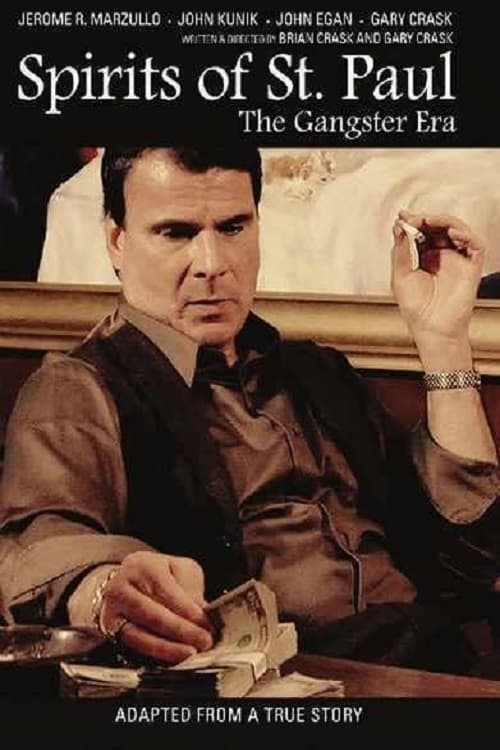
Spirits of St. Paul: The Gangster Era functions as a period-specific dramatization of established historical hierarchies. It adheres closely to traditional crime clichés, prioritizing the recreation of the 1920s and 30s underworld over progressive storytelling. While the film offers a nuanced look at institutional corruption by showing how corrupt police provided safe haven to criminals, it lacks multi-layered complexity. The narrative remains rooted in a historical crime genre rather than using its setting to critique modern social structures. Ultimately, the production lacks diverse casting and identity-driven ability to act. It serves as a niche historical drama focused on a homogeneous demographic of famous white gangsters.
Category Breakdown
The film focuses on the criminal underworld of the 1920s and 30s. There are no LGBTQ+ characters or non-straight relationships in the story.
The story centers on figures like John Dillinger and the Barker-Karpis Gang. Women appear in traditional roles within the power dynamics of the era.
The film focuses on specific white historical figures such as Nelson and Kelly. This suggests a narrative centered on a homogeneous white demographic.
The film explores the intersection of criminality and institutional corruption. It successfully disrupts traditional portrayals of law enforcement by showing how legal institutions can be transactional and compromised.
There is no mention of characters with visible or invisible disabilities. No evidence supports or penalizes this category within the provided context.
Present on Screen
Limited or Absent
Official Synopsis
This award-winning drama depicts The Gangster Era in St Paul in the 1920s & 30s. John Dillinger, Baby Face Nelson, Machine Gun Kelly and most notably, Ma Barker's Barker-Karpis Gang and many others were given safe haven by corrupt cops in exchange for their promise to not commit any crimes inside the city limits of St Paul.
1960
1967
1996
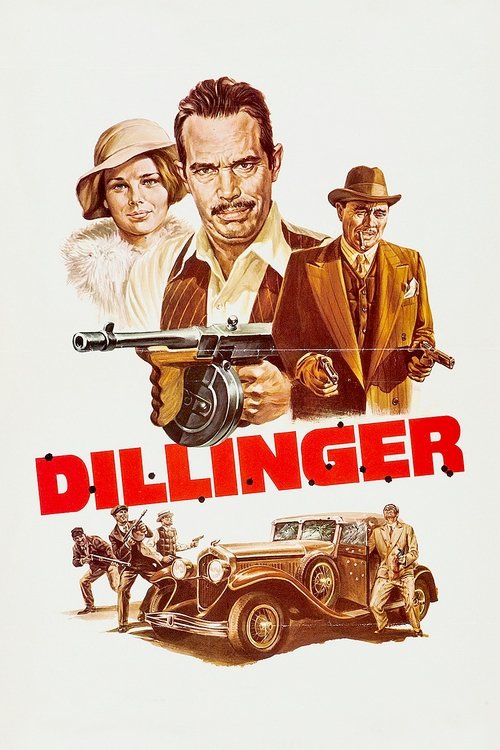
1973
1996

1990
1959

2010
No reviews yet. Be the first to share your thoughts on this movie!
Use the rating form above to leave a star rating and optional review.