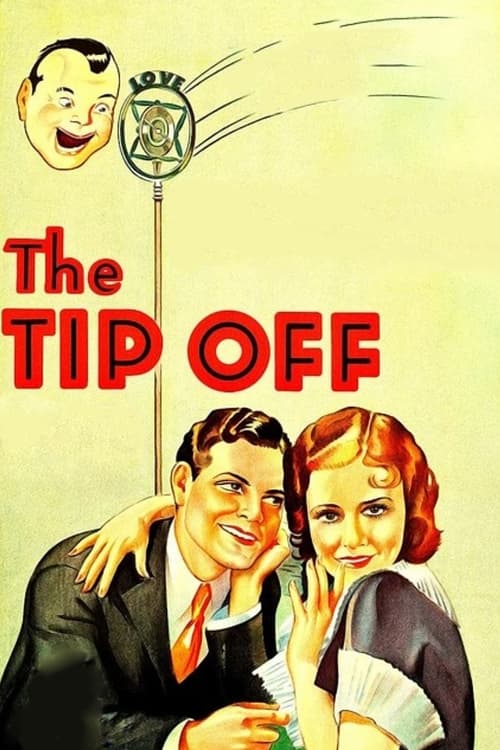
The Tip-Off
1931
No user ratings available yet
Representation score: 1.4 out of 10
No Poster Available
Representation Score
Minimal
1941
ApprovedDirector
Albert S. Rogell
Runtime
68 minutes
Average Rating
No ratings yetNew Showbiz Analysis
Gangs of the City is a typical 1941 crime drama that upholds the social and cultural norms of its era. The narrative relies on established genre clichés, focusing on the romantic and professional tension between a high-society heiress and a reporter. The film does not intentionally address issues related to identity or systemic power dynamics. It reflects the conventions of its time, prioritizing traditional social orders and a homogeneous cast over any meaningful characters who reflect more than one aspect of diversity. Ultimately, the film provides a snapshot of early 1940s studio output, adhering to conventional social orders without attempting to challenge them.
Category Breakdown
The film does not feature any LGBTQ+ characters or narratives that challenge straight-centered assumptions. The central romance is based on a traditional heterosexual relationship.
Bonnie Parker initiates the main conflict through media manipulation, showing some ability to act but her actions are driven by social status rather than challenging patriarchal structures.
The cast is homogeneous, reflecting the typical makeup of 1940s studio films. The urban setting focuses on social classes without incorporating diverse ethnic backgrounds.
The story adheres to a traditional Western framework focused on social hierarchies. It lacks systemic critiques, concentrating instead on individual deception within a standard social order.
There are no characters with visible or invisible disabilities in the film. No such characters are integrated into the narrative or used as plot devices.
Present on Screen
Limited or Absent
Official Synopsis
Heiress Bonnie Parker, tired of newspaper stories about her society high-life, gives a false story to energetic reporter Bill Raymond, who has frequently pestered her for a scoop. When Bill is dismissed for the phony item, Bonnie realizes that she carried the prank too far.....
1931
1933
1941

1937
1945
1931
1950
1931
No reviews yet. Be the first to share your thoughts on this movie!
Use the rating form above to leave a star rating and optional review.