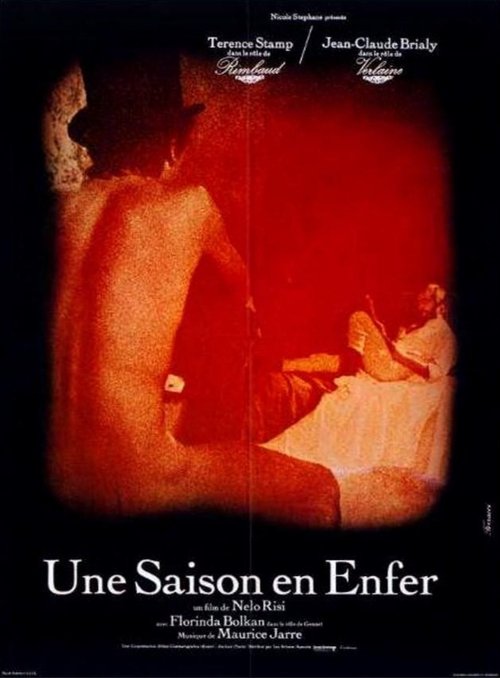
A Season in Hell
1971
No user ratings available yet
Representation score: 6.3 out of 10
Representation Score
Limited
1960
PGDirector
Ken Hughes
Runtime
125 minutes
Average Rating
No ratings yetNew Showbiz Analysis
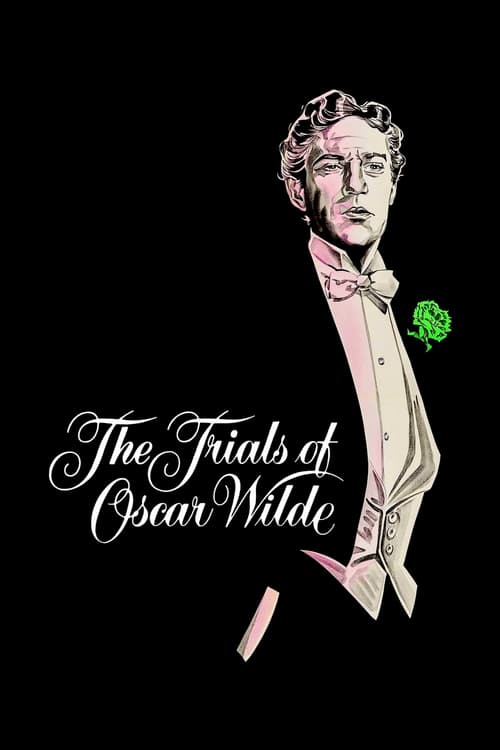
The film excels at exposing historical power structures by focusing on the persecution of a queer individual. It uses Oscar Wilde's legal troubles to critique systemic oppression rather than viewing his identity as a moral failing. However, the film's historical context limits its diversity. The focus on the Anglo-Irish aristocracy means there is very little racial or ethnic diversity, and the male-dominated social sphere restricts female involvement. Overall, the film offers a powerful critique of the rigid legalism and the assumption that everyone is straight or cisgender of the late Victorian era, despite its narrow focus.
Category Breakdown
The film focuses on the experiences and persecution of a queer man, criticizing the era's laws that treated same-sex attraction as a threat to society.
The story revolves around a patriarchal structure where conflicts are driven by male characters, with little involvement from women or challenges to gender hierarchies.
The cast is predominantly white, representing the Anglo-Irish elite of the Victorian era, with no significant racial or ethnic diversity among the main characters.
The film criticizes the hypocrisy of Victorian moralism and the oppressive nature of institutionalized social norms, showing the protagonist's struggle against these forces.
There are no prominent characters with physical or neurodivergent disabilities used as central traits or plot devices.
Present on Screen
Limited or Absent
Official Synopsis
England, 1890s. The brutal and embittered Marquis of Queensberry, who believes that his youngest son, Bosie, has an inappropriate relationship with the famous Irish writer Oscar Wilde, maintains an ongoing feud with the latter in order to ruin his reputation and cause his fall from grace.
1971
1975

1960

1963

1991

1989
1917
2018
No reviews yet. Be the first to share your thoughts on this movie!
Use the rating form above to leave a star rating and optional review.