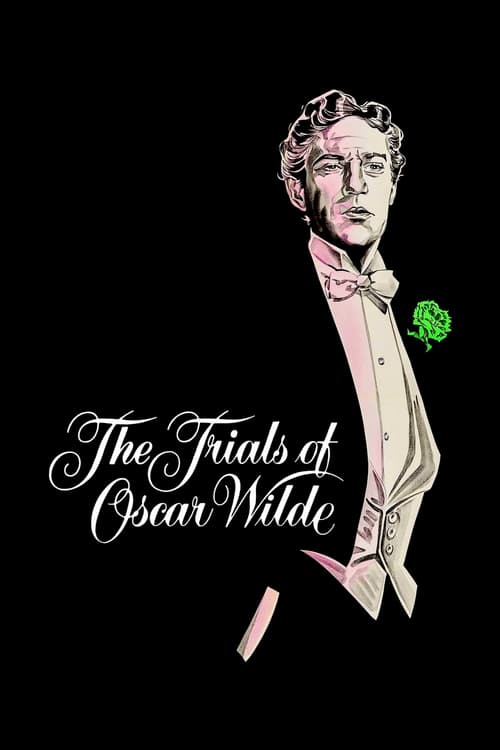
The Trials of Oscar Wilde
1960
No user ratings available yet
Representation score: 4.0 out of 10

Representation Score
Limited
1960
Not RatedDirector
Gregory Ratoff
Runtime
99 minutes
Average Rating
No ratings yetNew Showbiz Analysis
The film stands out by centering a non-straight relationship, providing a nuanced portrayal of queer lived experience. However, it is heavily constrained by its period setting, which is almost exclusively male-dominated and lacks racial diversity.
Category Breakdown
The film focuses on the intimate relationship between Oscar Wilde and Lord Alfred Douglas, placing a non-straight relationship at the heart of the drama rather than a subplot. It explores the legal consequences of Wilde's identity.
The story is set within a strictly male-dominated framework, focusing on male-dominated spheres such as law and theater. Women are relegated to the periphery, and women's ability to drive the story is largely absent from the main plot.
The cast is predominantly white and reflects the Anglo-Irish upper class. There is no evidence of color-blind casting, and the film adheres to the demographic constraints of the Victorian elite.
The film critiques the rigid moral stance of the British establishment and its legal system. It portrays Victorian social pillars as oppressive forces that prioritize conformity and social hypocrisy.
There are no significant depictions of visible or invisible disabilities. No characters with disabilities drive the narrative or possess substantial influence.
Present on Screen
Limited or Absent
Official Synopsis
England, 1891. Ascending writer Oscar Wilde (1854-1900) meets Lord Alfred Douglas, a young nobleman. Over the years, they will maintain an intimate relationship that will be openly criticized by Alfred's father, the Marquis of Queensberry, in such a harsh way that Wilde, instigated by Alfred, decides to sue Queensberry in 1895, accusing him of defamation.
1960

1987

1988
1991
2023
1964
1995

1989
No reviews yet. Be the first to share your thoughts on this movie!
Use the rating form above to leave a star rating and optional review.