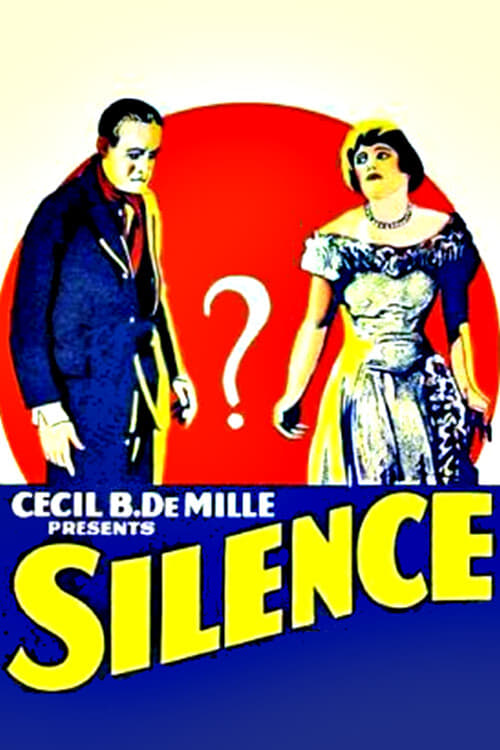
Silence
1926
No user ratings available yet
Representation score: 1.7 out of 10
Representation Score
Limited
1930
Director
Paulette McDonagh
Runtime
92 minutes
Average Rating
No ratings yetNew Showbiz Analysis
Paulette McDonagh’s film showcases technical skill and a nuanced portrayal of female leadership. While it adheres to the social norms of 1930, it challenges conventional clichés by presenting a woman as a strategic figure in a criminal network. The narrative delves into complex themes of revenge and systemic retaliation, offering a layered psychological exploration. Despite this, the film upholds the traditional moral conclusions and the demographic standards of its era.
Category Breakdown
The film follows a traditional romantic storyline between Paula and Lee Travers. There is no indication of non-straight relationships or same-sex intimacy.
Paula is portrayed as a strategic leader within a criminal organization, providing her with a level of tactical control that is uncommon in early crime dramas.
The story focuses on a homogeneous social structure typical of 1930s Australian cinema, reflecting the demographic norms of the time.
The narrative explores moral ambiguity and the breakdown of traditional social structures, highlighting the conflict between established institutions and a life of crime.
The film does not include any characters with physical, sensory, or neurodivergent disabilities.
Present on Screen
Limited or Absent
Official Synopsis
An embezzler, Bill Marsh, swears vengeance on a businessman, John Travers, who has turned him in to the police. Twenty years pass, and Marsh emerges from jail and establishes himself as the head of a powerful crime empire, with his daughter, Paula, serving as bait to attract wealthy victims. Paula falls in love with Lee Travers, the adopted son of Marsh's old enemy, and begins to have doubts about her life of crime. Only after a series of tragic incidents is she set free to marry Lee and start life anew. This silent feature was highly regarded for its set design and 'unusual sensitivity to the expressive range of the camera and their awareness of careful scenario construction as a key to emotionally powerful cinema'. Cast includes Marie Lorraine, Arthur Greenaway, John Faulkner. A sound version was attempted soon after but was not successful and was never released.
1926

1935
1923
1930
1928
1933
1927
1931
No reviews yet. Be the first to share your thoughts on this movie!
Use the rating form above to leave a star rating and optional review.