
Confidential
1935
No user ratings available yet
Representation score: 0.6 out of 10
Representation Score
Minimal
1930
PassedDirector
Edward F. Cline
Runtime
64 minutes
Average Rating
No ratings yetNew Showbiz Analysis
The film operates as a standard crime drama from the early sound era. Its main strength lies in the central female protagonist, who holds a powerful position within a male-dominated criminal world. This character subverts some passive female archetypes common to the period. However, the film lacks depth in terms of racial, cultural, or LGBTQ+ representation. It adheres to the social and cinematic norms of the 1930s, offering little critique of broader societal structures. Ultimately, while the protagonist's strategic actions provide a degree of empowerment, the film remains a conventional genre piece without modern progressive complexity.
Category Breakdown
The story centers around a single romantic and crime-driven plotline. There is no representation of LGBTQ+ identities or same-sex relationships.
The female lead plays a significant role in driving the plot through infiltration, challenging passive female stereotypes typical of the time. However, the narrative may still align with established genre conventions.
The film adheres to the standard Anglo-centric conventions of the early 1930s. There is no indication of a racially diverse cast within the narrative.
The story explores moral complexity through themes of crime and vengeance. However, it adheres to traditional Western moral standards without critiquing institutional norms.
There is no information regarding the inclusion of characters with physical or neurodivergent disabilities.
Present on Screen
Limited or Absent
Official Synopsis
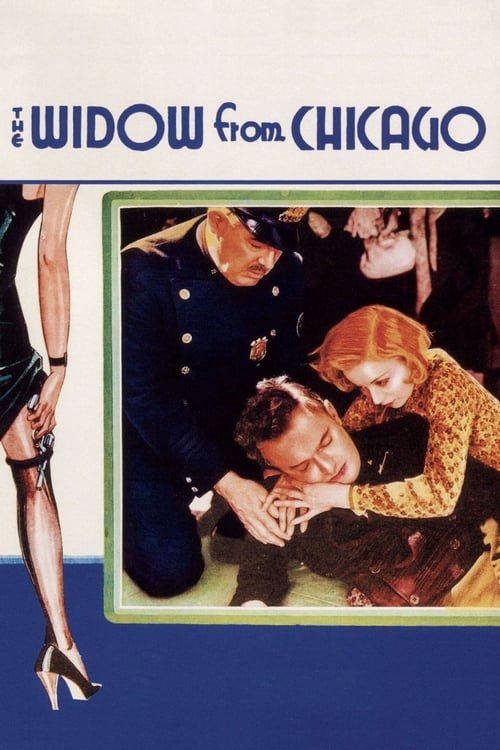
A woman infiltrates a criminal mob to avenge her brother's death.
1935

1932
1939

1931
1930
1936

1937

1935
No reviews yet. Be the first to share your thoughts on this movie!
Use the rating form above to leave a star rating and optional review.