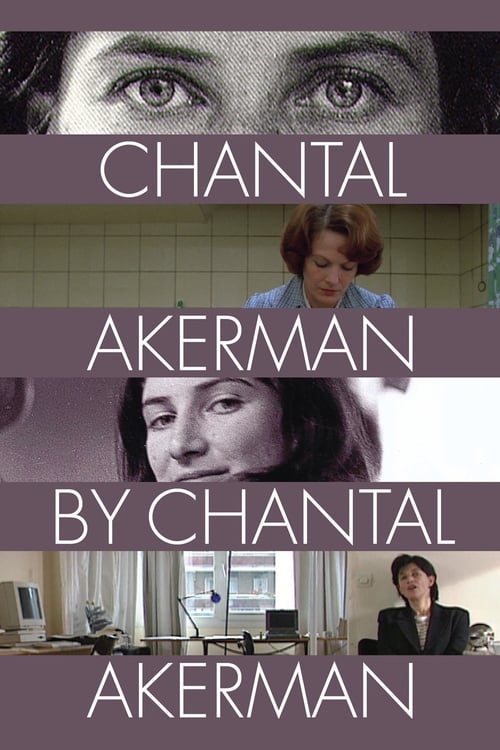
Chantal Akerman by Chantal Akerman
1997
No user ratings available yet
Representation score: 7.5 out of 10

Representation Score
Excellent
2015
Not RatedDirector
Marianne Lambert
Runtime
67 minutes
Average Rating
No ratings yetNew Showbiz Analysis
Marianne Lambert’s documentary serves as a sophisticated study of identity. By centering Chantal Akerman, the film highlights a creator dedicated to deconstructing traditional cinematic and social hierarchies. It moves beyond simple representation to examine how identity functions outside of conventional boundaries. The film excels in its focus on female subjectivity and queer-coded narratives. It uses the concept of the 'nomad' as a lens to view underrepresented identities, making it a vital piece of film history. However, the documentary's engagement with racial and disability representation remains more thematic than explicit. While it touches on displacement and the experience of being 'othered,' it lacks specific, concrete depictions of these identities.
Category Breakdown
The documentary explores Chantal Akerman's films, which delve into queer theory and non-traditional lived experiences. Its narrative structure reflects the nomadic nature often linked with queer identities.
This film is a profound exploration of female empowerment. It centers a woman who transformed film language, challenging patriarchal norms by examining female inner life and complex womanhood.
The film traces a global journey through cities like Brussels, Tel-Aviv, Paris, and New York. It engages with diverse landscapes by exploring how displacement and migration shape individual identity.
The work challenges established social norms by prioritizing personal truth over traditional communal or religious structures. It favors a fragmented, existentialist approach to understanding existence.
While specific depictions of disability are not detailed, the film's focus on experimental existence touches upon the sensory and psychological experience of being 'othered.'
Present on Screen
Limited or Absent
Official Synopsis
I Don’t Belong Anywhere - Le Cinéma de Chantal Akerman, explores some of the Belgian filmmaker’s 40 plus films. From Brussels to Tel-Aviv, from Paris to New-York, this documentary charts the sites of her peregrinations. An experimental filmmaker, a nomad, Chantal Akerman shares her cinematic trajectory, one that has never ceased to interrogate the the meaning of her existence. Thanks in great part to the interventions of her editor, Claire Atherton, she delineates the origins of her film language and her aesthetic stance.
1997

2008
1977

1983

2023

1972

2011
2006
No reviews yet. Be the first to share your thoughts on this movie!
Use the rating form above to leave a star rating and optional review.