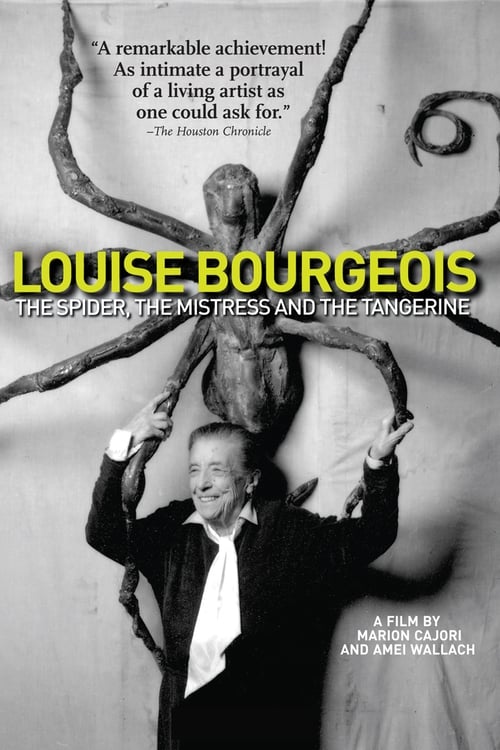
Louise Bourgeois: The Spider, The Mistress And The Tangerine
2008
No user ratings available yet
Representation score: 8.4 out of 10
Representation Score
Excellent
2016
PG-13Director
Marcie Begleiter
Runtime
105 minutes
Average Rating
No ratings yetNew Showbiz Analysis
This documentary serves as a powerful reclaiming of a sidelined historical narrative. It successfully challenges the patriarchal structures of the 1960s art scene by centering a woman's intellectual and creative ability to act. The film excels at intertwining identity markers, particularly by linking the trauma of the Jewish diaspora with the immigrant experience in America. This adds a sophisticated layer to the biographical storytelling. While the film lacks explicit focus on LGBTQ+ identities or queer romantic narratives, it compensates through a nuanced portrayal of physical illness and the subversion of traditional gender hierarchies in art history.
Category Breakdown
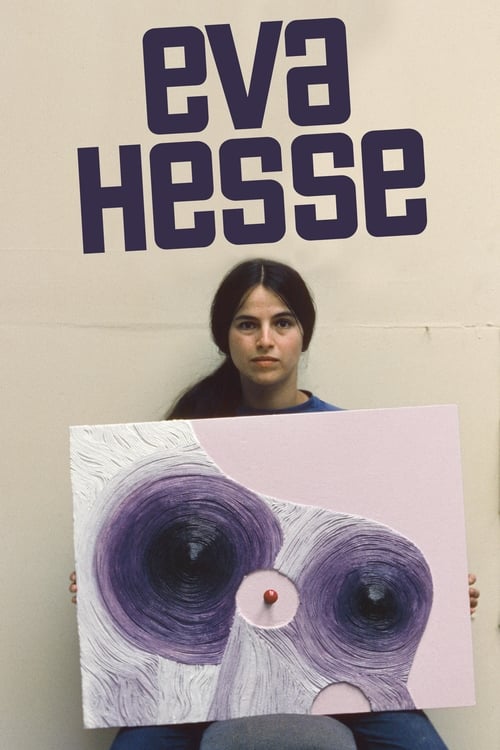
The film doesn't focus on LGBTQ+ identities or queer romantic stories. However, it does integrate Hesse's physical vulnerabilities and illness into her biography without being overly sentimental.
The documentary challenges the stereotype of the male genius by highlighting Hesse's professional and creative struggles. She is shown as a strong figure who navigates restrictive social and professional structures through her art.
The film offers a meaningful look at the Jewish diaspora and the immigrant experience. It delves into the complexities of refugee identity by following Hesse's journey from Nazi Germany to the United States.
The film addresses the theme of systemic displacement and the tension between individuals and oppressive social institutions. It emphasizes the challenges faced by refugees trying to find their place in a new culture after fleeing a chaotic Germany.
Hesse's physical vulnerabilities and illnesses are presented authentically in the film. The movie avoids sentimentality, using her health struggles to explore her resilience and the fleeting nature of her art.
Present on Screen
Limited or Absent
Official Synopsis
German American artist Eva Hesse (1936 – 1970) created her innovative art in latex and fiberglass in the whirling aesthetic vortex of 1960s New York. Her flowing forms were in part a reaction to the rigid structures of then-popular minimalism, a male-dominated movement. Hesse’s complicated personal life encompassed not only a chaotic 1930s Germany, but also illness and the immigrant culture of New York in the 1940s. One of the twentieth century’s most intriguing artists, she finally receives her due in this film, an emotionally gripping journey with a gifted woman of great courage.
2008

2014

2016

2018
2019

2022

2018

2012
No reviews yet. Be the first to share your thoughts on this movie!
Use the rating form above to leave a star rating and optional review.