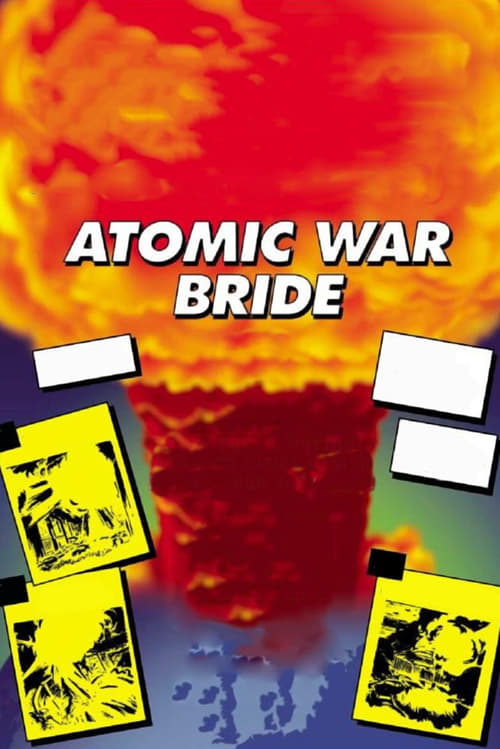
Atomic War Bride
1960
No user ratings available yet
Representation score: 3.5 out of 10
Representation Score
Limited
1961
Director
Shūe Matsubayashi
Runtime
110 minutes
Average Rating
No ratings yetNew Showbiz Analysis
The film serves primarily as a socio-political critique of geopolitical instability rather than a platform for identity-based representation. While it deviates significantly from Western-dominated Hollywood clichés of the time, it lacks modern markers of diversity. The focus remains on the domestic impact of global conflicts rather than exploring various identities.
Category Breakdown
The film does not include any characters or narratives related to LGBTQ+ identities or queer experiences.
The story focuses on a traditional Japanese family structure, though the nuclear threat challenges conventional masculine roles by making traditional protection less relevant.
The film presents a non-Western perspective on the nuclear age, offering a viewpoint centered around a Japanese family and disrupting Anglo-centric science fiction themes.
The narrative criticizes Western-led geopolitical structures and superpower militarism, emphasizing the survival of the family unit over state-driven imperialism.
There is no evidence of characters with physical or neurodivergent disabilities in the film.
Present on Screen
Limited or Absent
Official Synopsis
A Japanese family is torn apart by the tensions of an avoidable nuclear world war between the superpowers.
1960
1962

1952

1961
1963

1986
1999
1955
No reviews yet. Be the first to share your thoughts on this movie!
Use the rating form above to leave a star rating and optional review.