
Alien Visitor
1997
No user ratings available yet
Diversity score: 3.6 out of 10
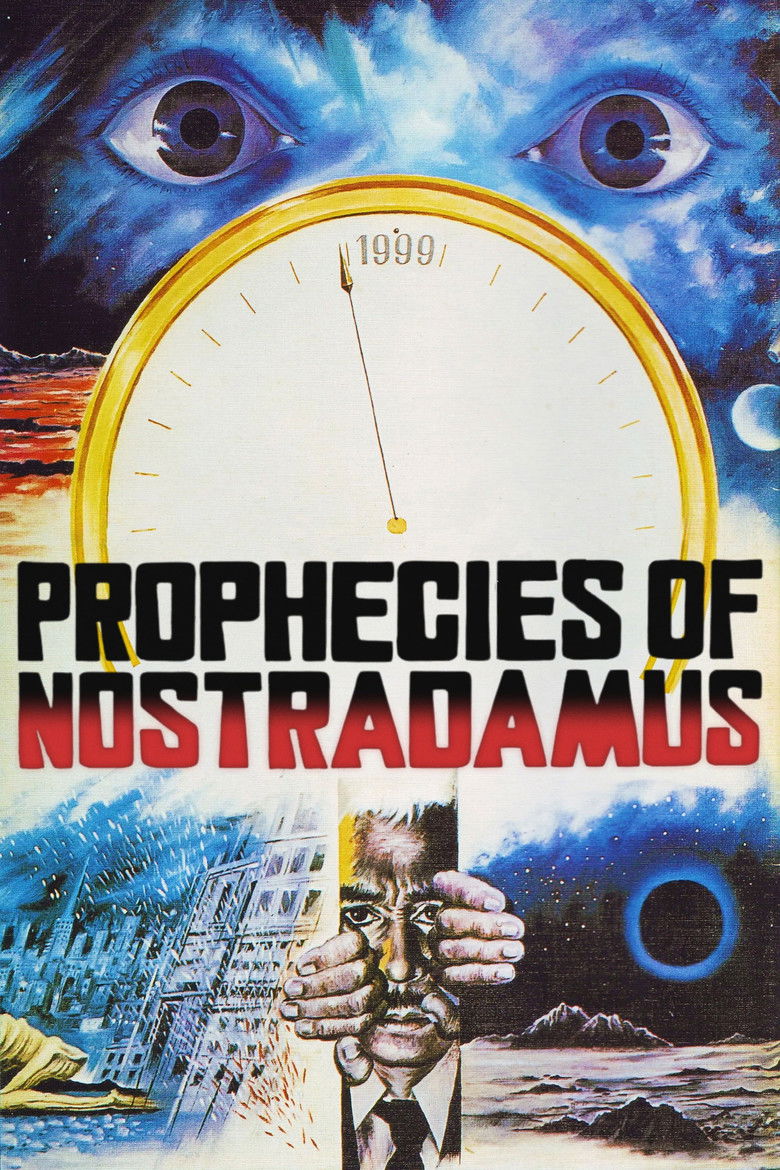
1974
Director
Toshio Masuda
Runtime
114 minutes
Average Rating
No ratings yetSynopsis
Professor Nishiyama, after studying and interpreting the prophecies of Nostradamus, realizes that the end of the world is at hand. Unfortunately, nobody listens to him until it is too late. As the effects of mankind's tampering of the earth - radioactive smog clouds, hideously mutated animals, destruction of the ozone layer - rage out of control, the world leaders hurtle blindly toward the final confrontation. The film sparked controversy in Japan and was subsequently pulled out of circulation, with no official video release of the uncut film.
Overall Score
Fair
Category Breakdown
LGBTQ+ Representation
The film lacks visible queer narratives or non-cisnormative identities. It prioritizes a macro-scale existential crisis over interpersonal identity politics.
Gender Representation
Narrative focus centers on Professor Nishiyama, a male academic. The emphasis on world leaders suggests a traditional patriarchal hierarchy common in 1974 cinema.
Racial & Ethnic Diversity
As a Japanese production, the film offers a non-Western perspective on global catastrophe. It shifts the gaze away from Western-centric apocalyptic tropes.
Religious & Cultural Diversity
The film critiques established systems by portraying world leaders as blindly hurtling toward destruction. It challenges the perceived competence of global political institutions.
Disability Representation
There is no evidence regarding the depiction of physical or neurodivergent disabilities within the narrative.
Strengths
Areas for Improvement
AI Analysis
Toshio Masuda’s film functions as a speculative cautionary tale centered on the tension between prophetic foresight and institutional inertia. It uses environmental catastrophe to critique human agency and the failures of global leadership. The work prioritizes systemic critique over individual identity representation. While it lacks contemporary intersectional depth, its narrative architecture is fundamentally disruptive to the social and political stability of its era. Ultimately, the film positions industrial civilization and its governing systems as the primary drivers of existential risk.
1997
1961
1979

1981

1972

1989

1986

1987

2007

1999
2000

1959
No reviews yet. Be the first to share your thoughts on this movie!
Use the rating form above to leave a star rating and optional review.