Red Nightmare
1962
No user ratings available yet
Representation score: 0.3 out of 10
Representation Score
Minimal
1952
NRDirector
Alfred E. Green
Runtime
73 minutes
Average Rating
No ratings yetNew Showbiz Analysis
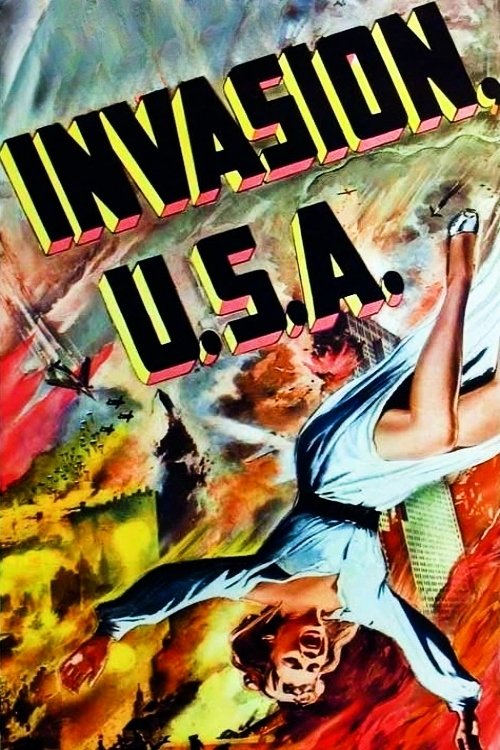
Invasion, U.S.A. serves as a historical artifact of mid-century nationalist storytelling. It uses the science fiction genre to reinforce traditional social and political hierarchies rather than deconstructing them. The narrative relies on a binary framework of existential conflict, positioning the preservation of Western sovereignty as the central moral imperative. This creates a cohesive, homogeneous vision of American resilience. Ultimately, the film avoids the complexities of intersecting identities and prioritizes a streamlined, nationalist mythos focused on the stability and preservation of the existing status quo.
Category Breakdown
The film does not include any non-straight or non-cisgender identities or stories that challenge traditional sexual orientations.
Male characters primarily act as combatants and leaders, while female characters are mostly confined to domestic or supportive roles, often serving as emotional catalysts.
The cast is overwhelmingly white, with no characters of color in positions of power or ability to act.
The film emphasizes patriotism and military authority, presenting a binary morality where defenders of the state are the sole moral protagonists.
There are no prominent depictions of physical or neurodivergent disabilities. Characters are portrayed as able-bodied archetypes of the everyman.
Present on Screen
Limited or Absent
Official Synopsis
A group of American witness the deadly invasion of the United States by the Soviet Union.
1962
1962

1969

1953
1961

1961
1982
1956
No reviews yet. Be the first to share your thoughts on this movie!
Use the rating form above to leave a star rating and optional review.